DOJ losing streak continues as Trump-appointed judge tosses Kentucky voter roll lawsuit
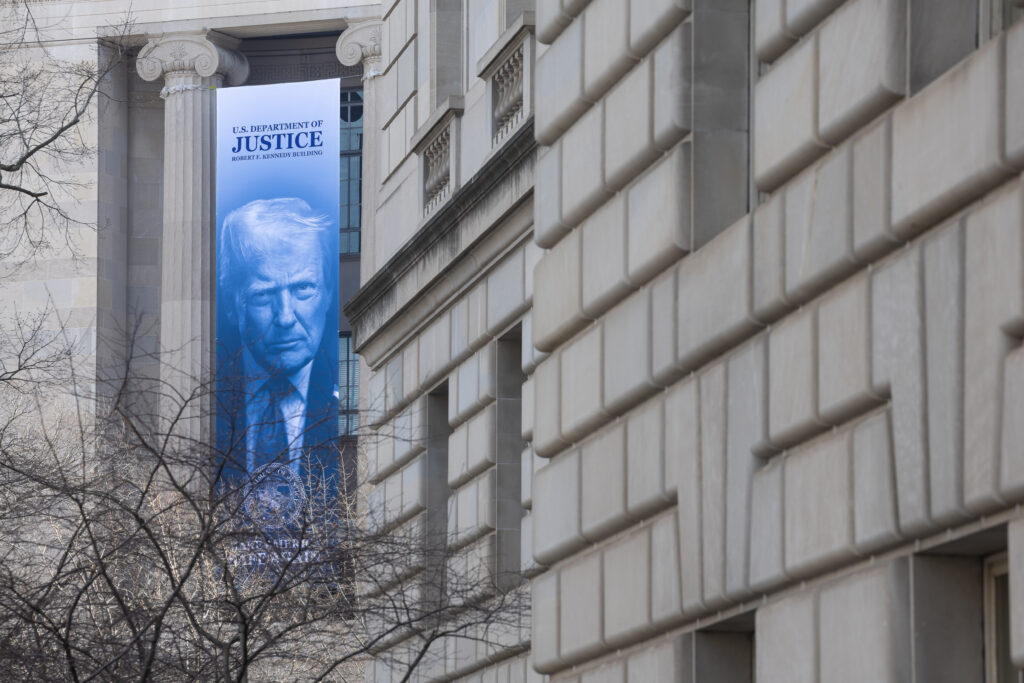
The Department of Justice’s (DOJ) record in voter roll cases fell to 0-17 Thursday, when yet another federal judge appointed by President Donald Trump dismissed the administration’s lawsuit against Kentucky.
Since Trump returned to office, the DOJ has sought unredacted voter registration records from virtually every state. After 30 states and Washington, D.C. refused, the DOJ sued them under the 1960 Civil Rights Act (CRA) and the National Voter Registration Act (NVRA).
But the agency has lost every single case so far, with Republican-appointed judges ruling against the DOJ in 11 of the cases.
In Kentucky, U.S. District Court Judge Claria Horn Boom became the eighth Trump appointee to dismiss the DOJ’s demand for unfettered access to registration data, holding that federal law didn’t grant the federal government that power.
The ruling came as no surprise.
Get updates straight to your inbox — for free
Join 350,000 readers who rely on our daily and weekly newsletters for the latest in voting, elections and democracy.
While the DOJ has appealed most of its district court losses, only one circuit court has issued a ruling, and it handed down yet another loss. That court, the 6th Circuit Court of Appeals, has jurisdiction over six states — including Kentucky — meaning district courts there are bound by its decisions.
Every court that has ruled so far has held that the DOJ failed to adequately state the “basis and purpose” of its data demands as explicitly required by the CRA, or that the CRA’s requirement that state election officials hold onto records that “come into [their] possession” related to voting doesn’t include the registration records those officials create.
Boom relied on both.
“Given this binding Sixth Circuit precedent, the Court here reaches the same result: Kentucky’s [state voter registration list] does not ‘come into’ the possession of Kentucky election officials and is not a record or paper subject to Title III of the Civil Rights Act,” Boom wrote.
Boom also held that “because the United States did not comply with its mandatory statutory obligation to submit a demand to the Defendants containing a statement of both the basis and purpose of its request, the Defendants did not violate Title III by refusing to produce Kentucky’s [state voter registration list] to the government.”
Boom, like most other judges who have considered these cases across the nation, also rejected the DOJ’s arguments that the usual court procedural rules should not apply to requests under the CRA.
“There is no provision in the Civil Rights Act, nor this Court’s Local Rules that precludes application of the Federal Rules of Civil Procedure to this action, nor has the Court entered any order to that effect,” she wrote.
Maya Bodinson contributed to this report.