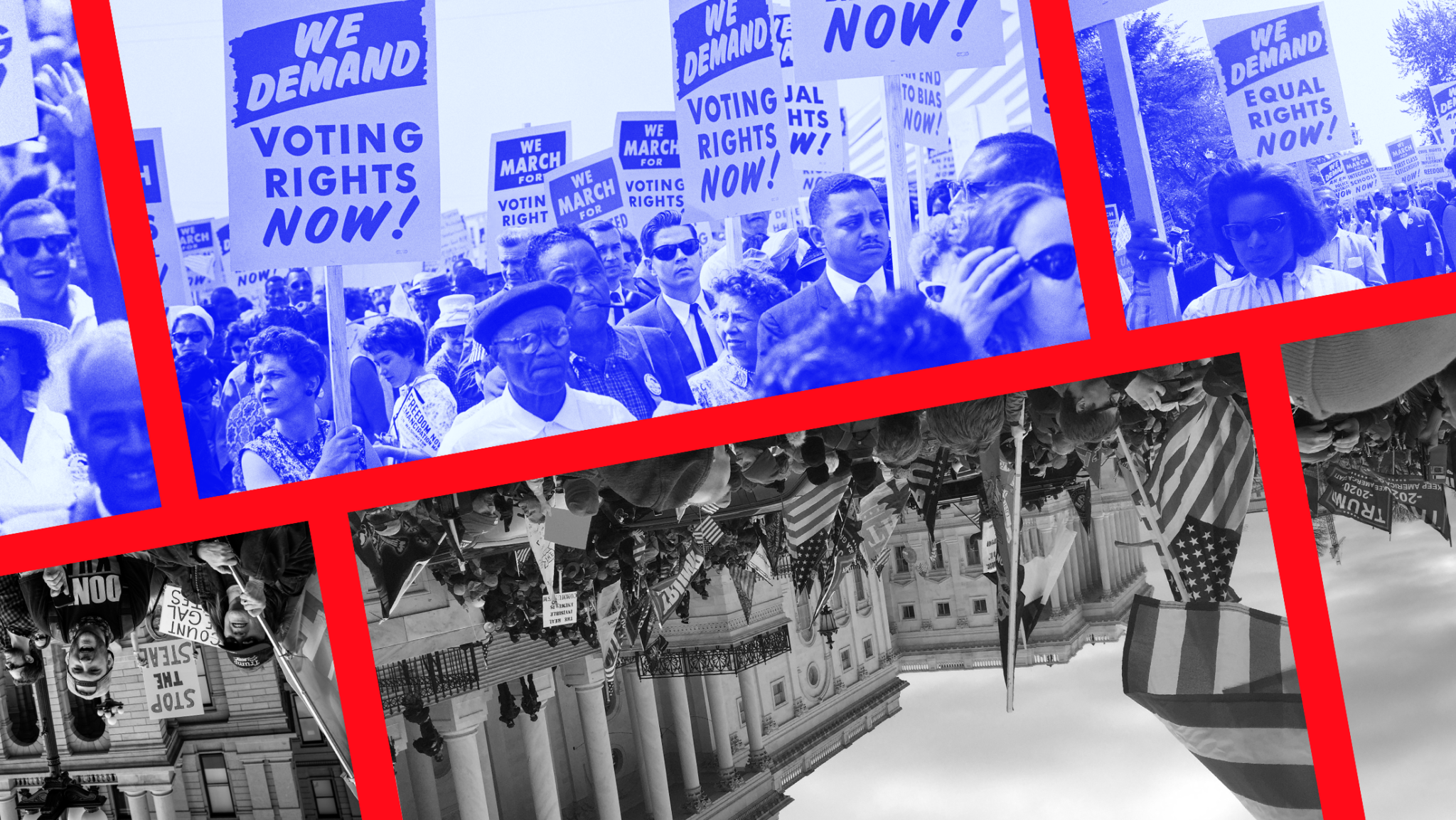
How new USPS rules put the right to vote at risk
While the Trump era has been marked by chaos, mail-in voting has consistently remained the most contentious election-related issue.
While the Trump era has been marked by chaos, mail-in voting has consistently remained the most contentious election-related issue.
Donald Trump has no settled view of foreign policy or the use of military force. His decision over the weekend to attack Venezuela and seize its president, Nicolás Maduro, cannot be explained by any coherent worldview.

In the past, voter suppression and election subversion efforts would have been met with a flurry of legal actions by the nation’s largest law firms. This time, there has been complete silence.

Donald Trump and the Republican Party know that they are likely to be voted out of power in November 2026. The tools they are counting on to prevent this are the same ones being deployed by the largest technology companies: big data sets and vast computing power.
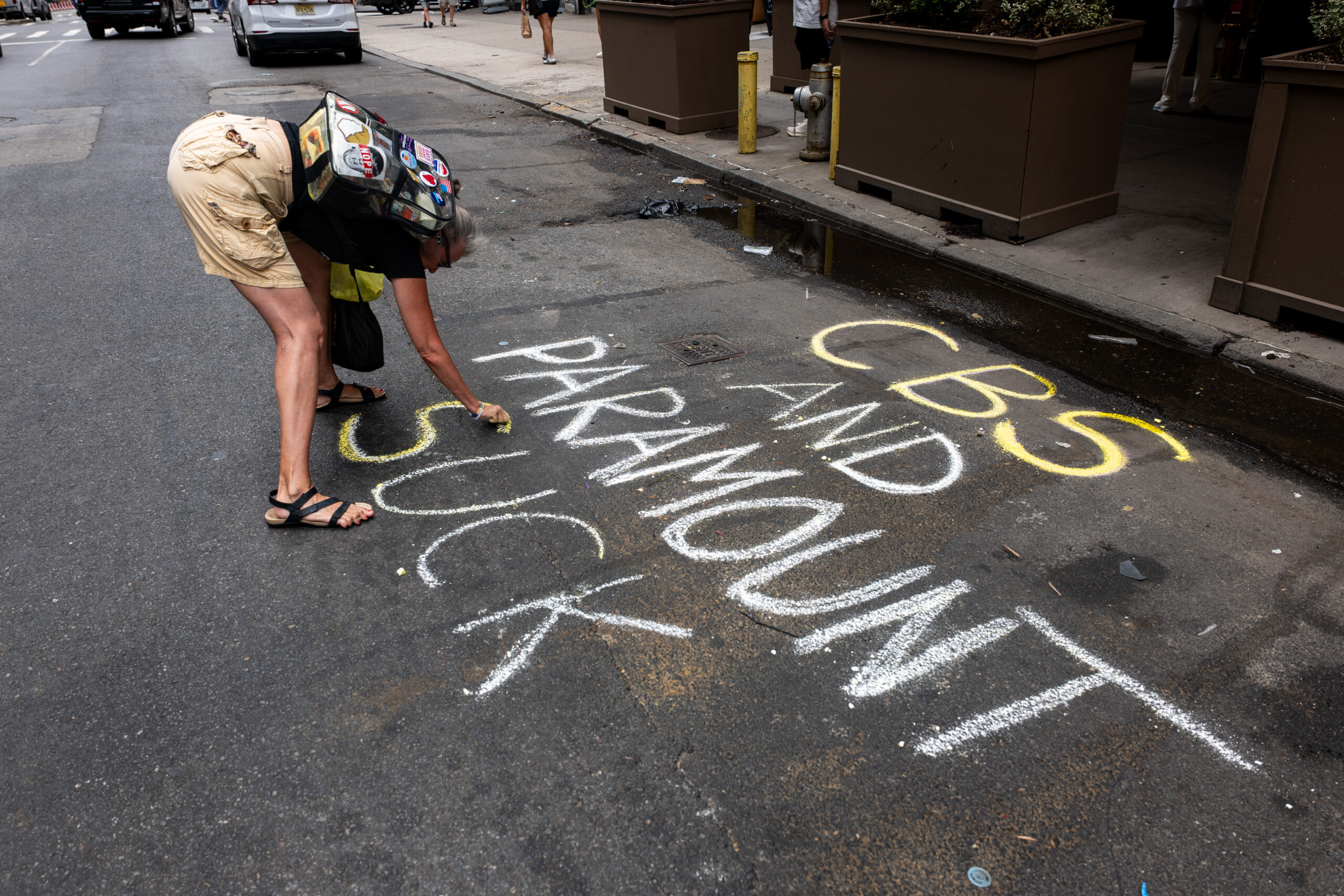
Last night, only hours before it was set to air an episode about the treatment of migrants shipped to El Salvador’s notorious CECOT prison, “60 Minutes” mysteriously pulled the episode.
While conservatives are concerned with protecting the Second Amendment, my concern lies with the right to vote being treated as an afterthought.
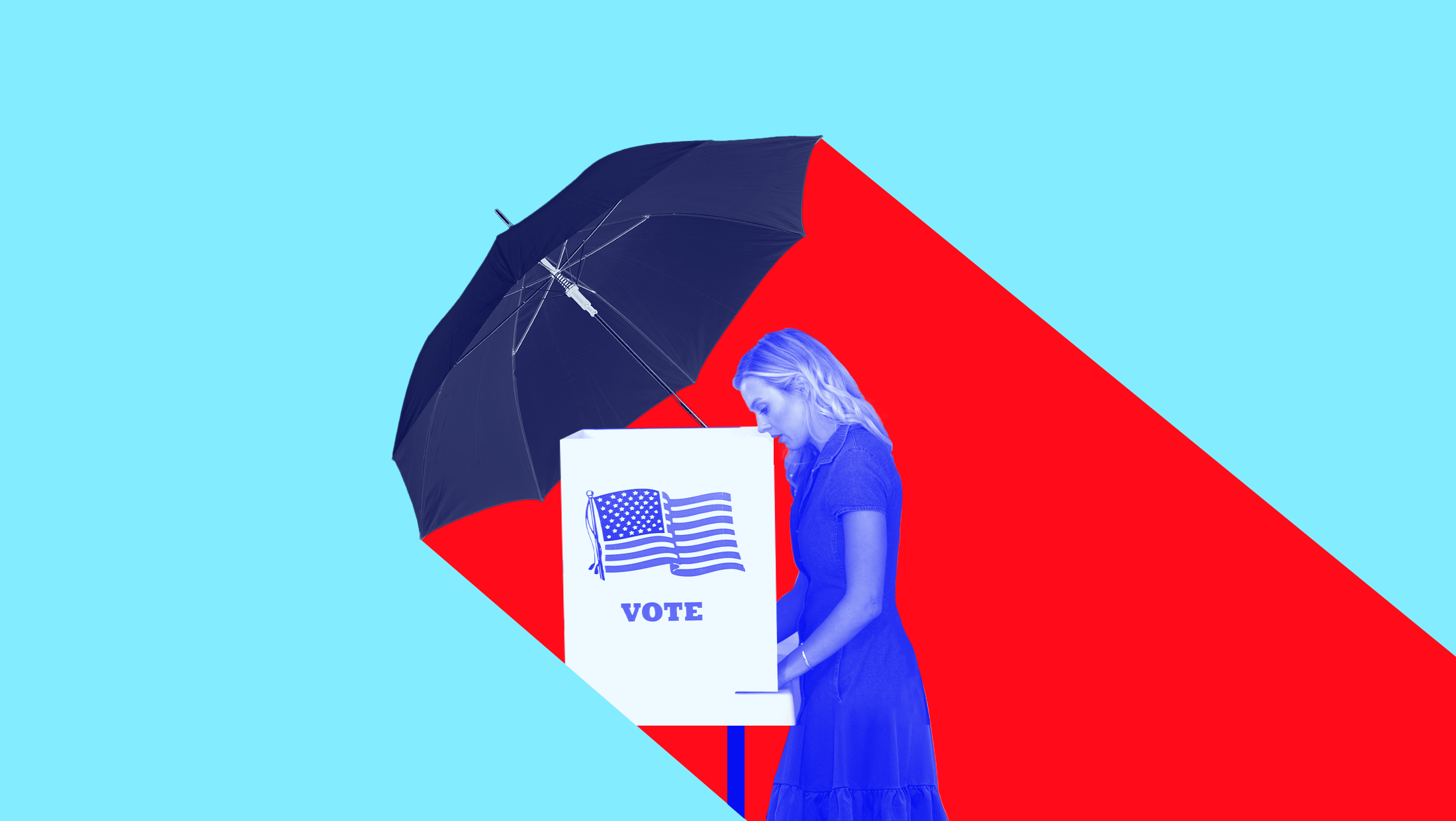
The Republican Party is a party of vote suppressors and election deniers. This is no longer a flaw in some members of the GOP; it is the defining feature of the MAGA takeover.
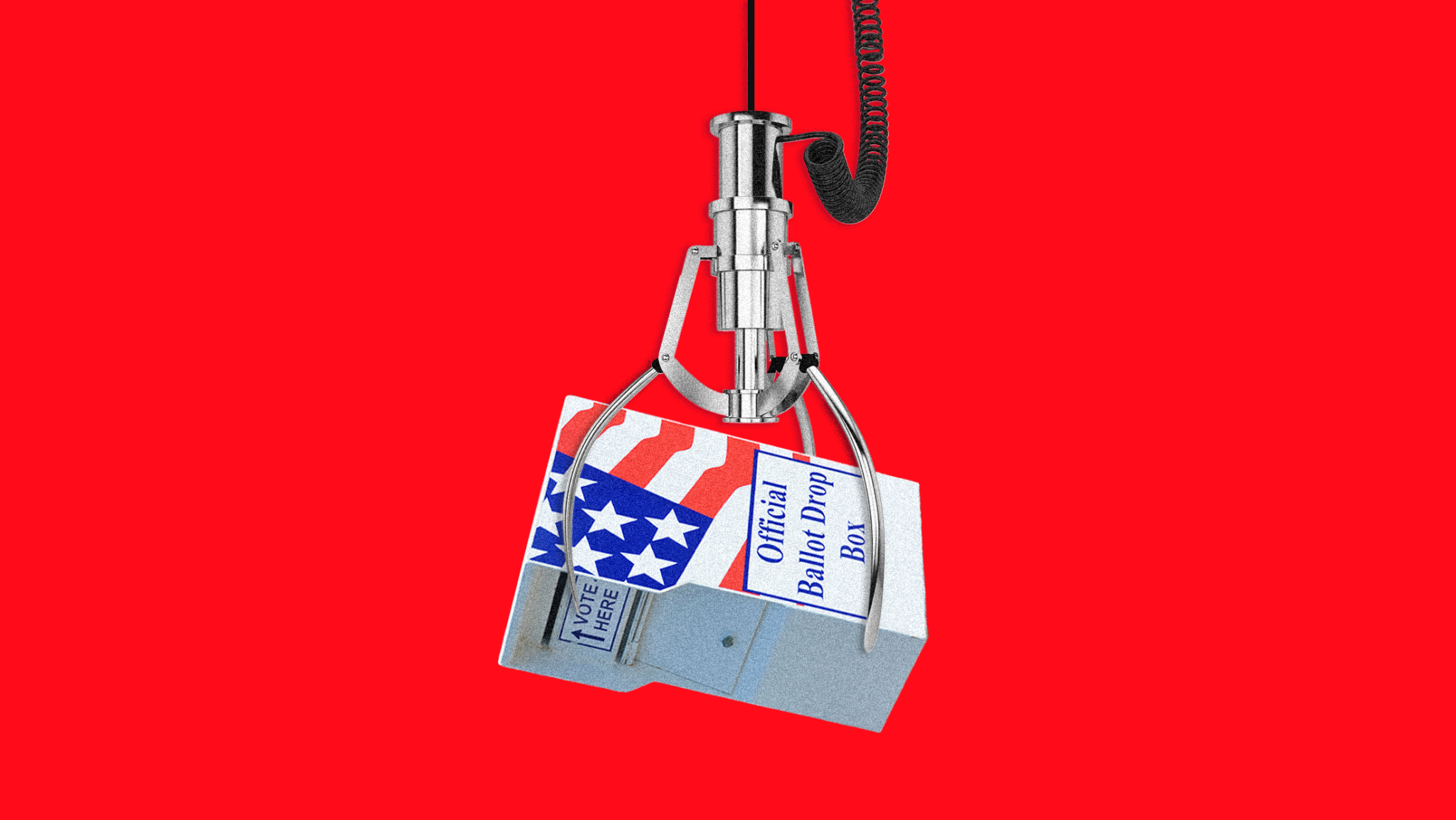
While the voting laws and rules in red states can pose serious challenges to voters, we cannot fail to look at the entire picture.

Yes, this case may be over, but Trump’s abuse of the courts to go after his political opponents has only just begun.
The Supreme Court is now considering two cases this term that could significantly alter election rules in ways calculated to help white voters and the GOP at the expense of minority voters and Democrats.