How to Combat the Dangers of Project 2025
From a reintroduction to Schedule F to a whole host of other proposals, legal organizations are preparing to fight Project 2025 in the courts.

Read more to find out everything you need to know about democracy and voting rights from Democracy Docket’s desk. Use the drop-down menu to organize by topic.
From a reintroduction to Schedule F to a whole host of other proposals, legal organizations are preparing to fight Project 2025 in the courts.
As six of the Georgia State Election Board’s (SEB) controversial rules take effect next week, the board is facing seven different lawsuits from Democrats, Republicans and county officials.

Common voting errors, like writing the wrong date on a ballot, have turned into contentious court battles in states like Pennsylvania.

Former President Donald Trump and his fellow Republicans have switched their positions on mail-in voting so many times that it would give any voter whiplash.
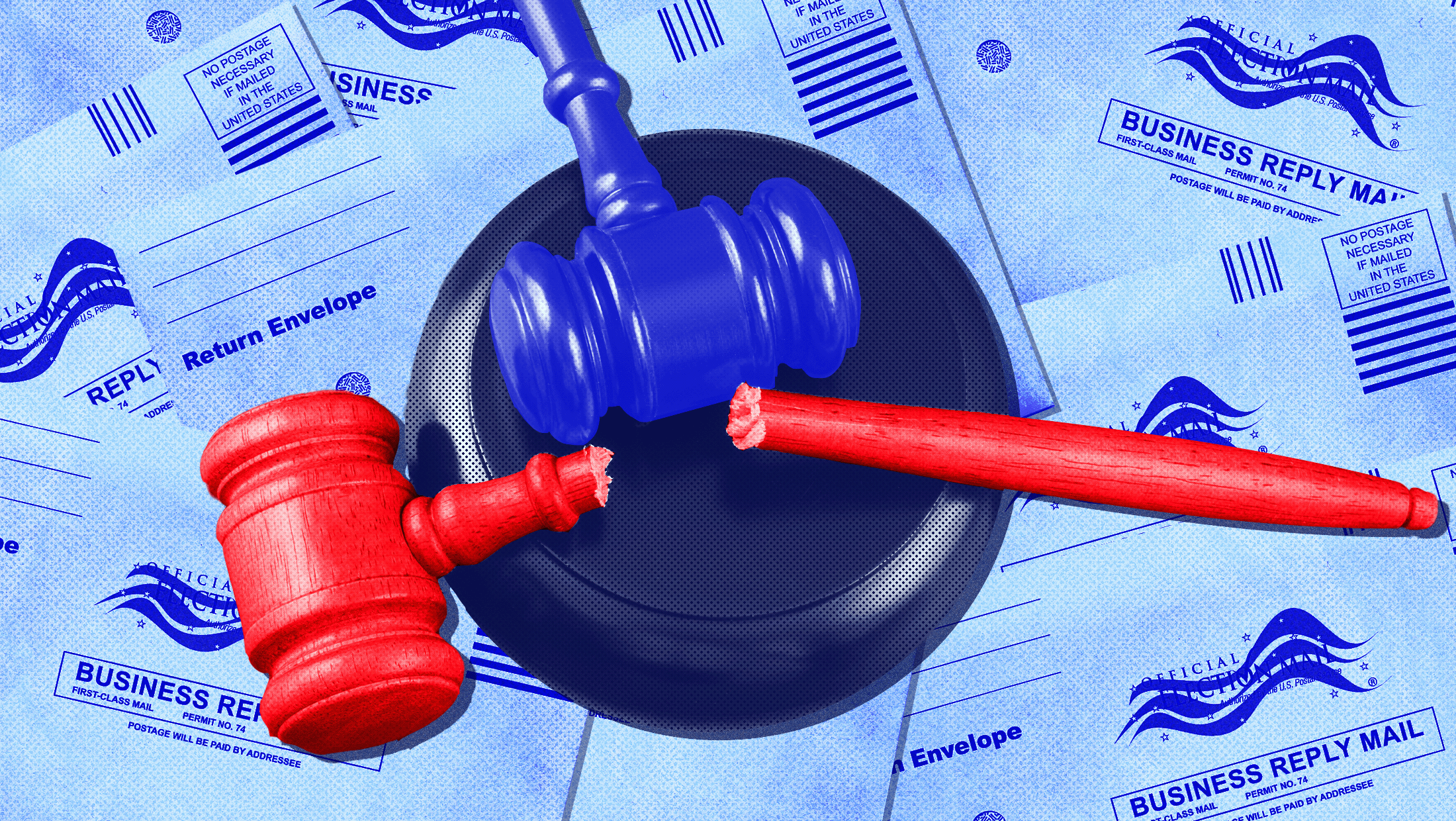
Thus far in the 2023-2024 election cycle, the Republican party and its affiliates have filed, or are involved in, 72 voting rights lawsuits, according to new analysis by Democracy Docket.
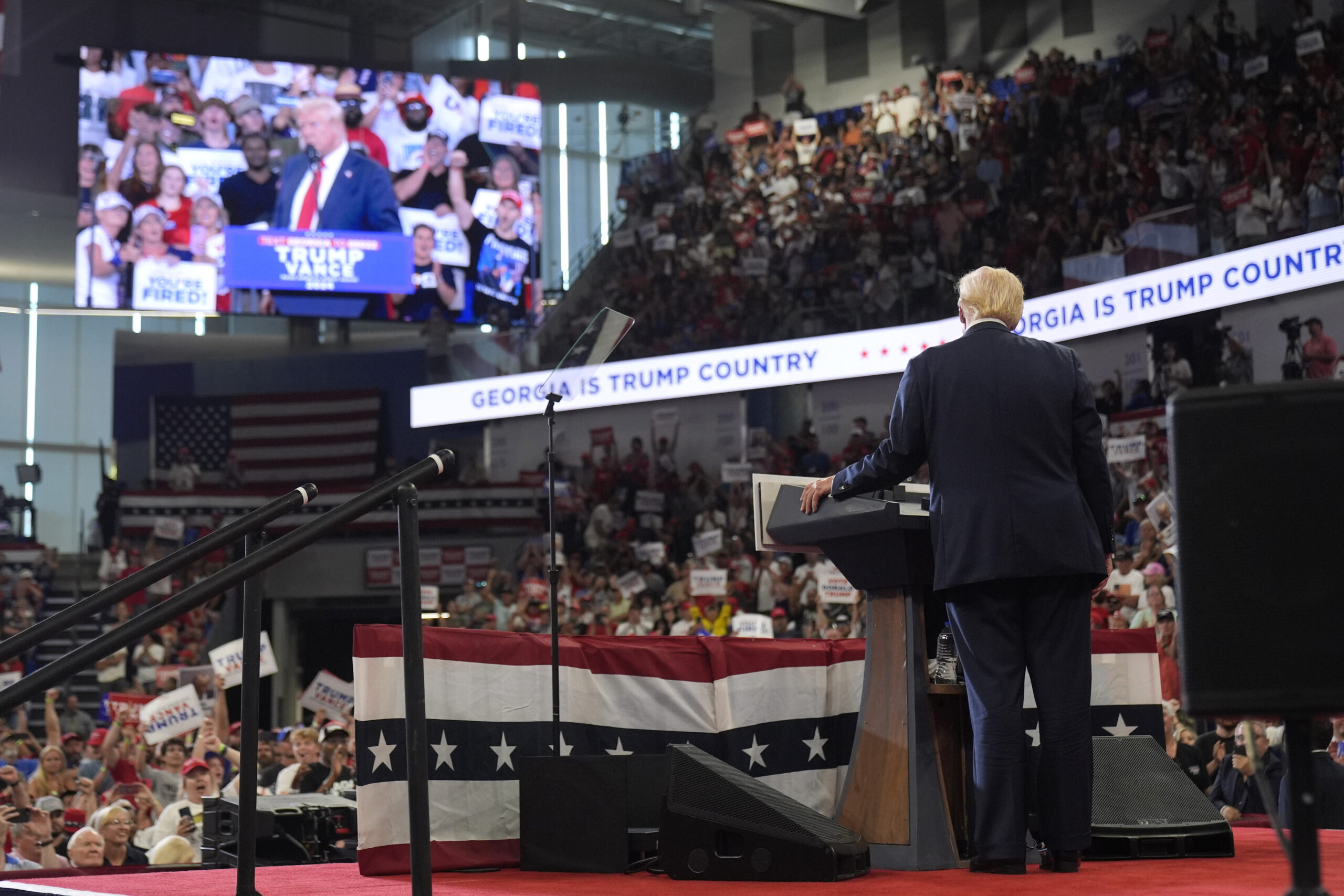
AFPI is hardly the first right-wing think-tank to get involved in election litigation but their recent pivot to election litigation is part of a larger right-wing focus on rolling back voting rights and sowing discord in elections through the courts.

President Ulysses Grant signed the Civil Rights Act of 1871 — also known as the Klu Klux Klan Act — on April 20, 1871. It was one of his biggest achievements in office.

The state sought to uphold Section 241 of the Mississippi Constitution, a Jim Crow-era provision opponents argue is cruel and unusual punishment under the U.S. Constitution.

The U.S. Supreme Court wrapped one of its most consequential terms in modern history, handing down decisions that redefined the limits of presidential power and upended the wide latitude given to federal agencies to interpret laws.

The Eighth U.S. Circuit Court of Appeals held last year that private parties can’t sue under Section 2 of the Voting Rights Act. While the decision is concerning, experts say voters still have other avenues to challenge racial discrimination.
