GOP War on Voting Leaves Voters with Disabilities as Collateral Damage
A wave of court rulings and legislative efforts, largely driven by the GOP, has eroded vital protections that voters with disabilities have long relied on.
Read more to find out everything you need to know about democracy and voting rights from Democracy Docket’s desk. Use the drop-down menu to organize by topic.
A wave of court rulings and legislative efforts, largely driven by the GOP, has eroded vital protections that voters with disabilities have long relied on.
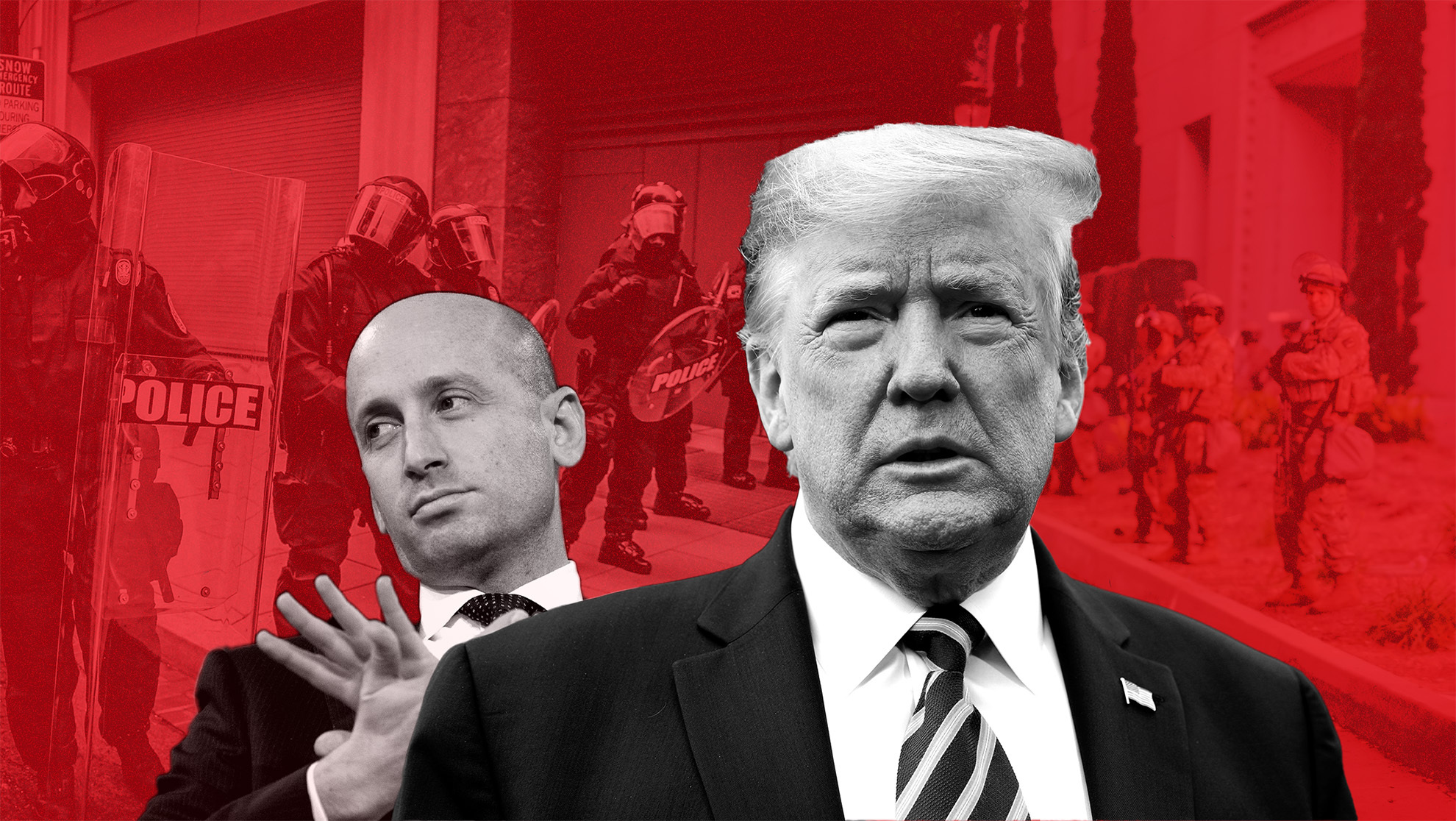
The president’s unfolding urban power grab — along with his ongoing attacks on mail voting, which he recently pledged to “get rid of” — have some observers fearing an even more worrying scenario: that the administration is laying the groundwork to deploy troops or law enforcement to the polls in key cities next year and in 2028.
How would those governors feel if National Guard troops from other states were ordered onto their streets, perhaps to patrol one of the 53 cities in those states with a higher murder rate than Washington’s? After all, if D.C. is in the throes of a crime emergency worthy of a militarized response — and you have no concerns that response might backfire — then why aren’t the good people of Jackson, Mississippi or North Charleston, South Carolina?
We asked them.
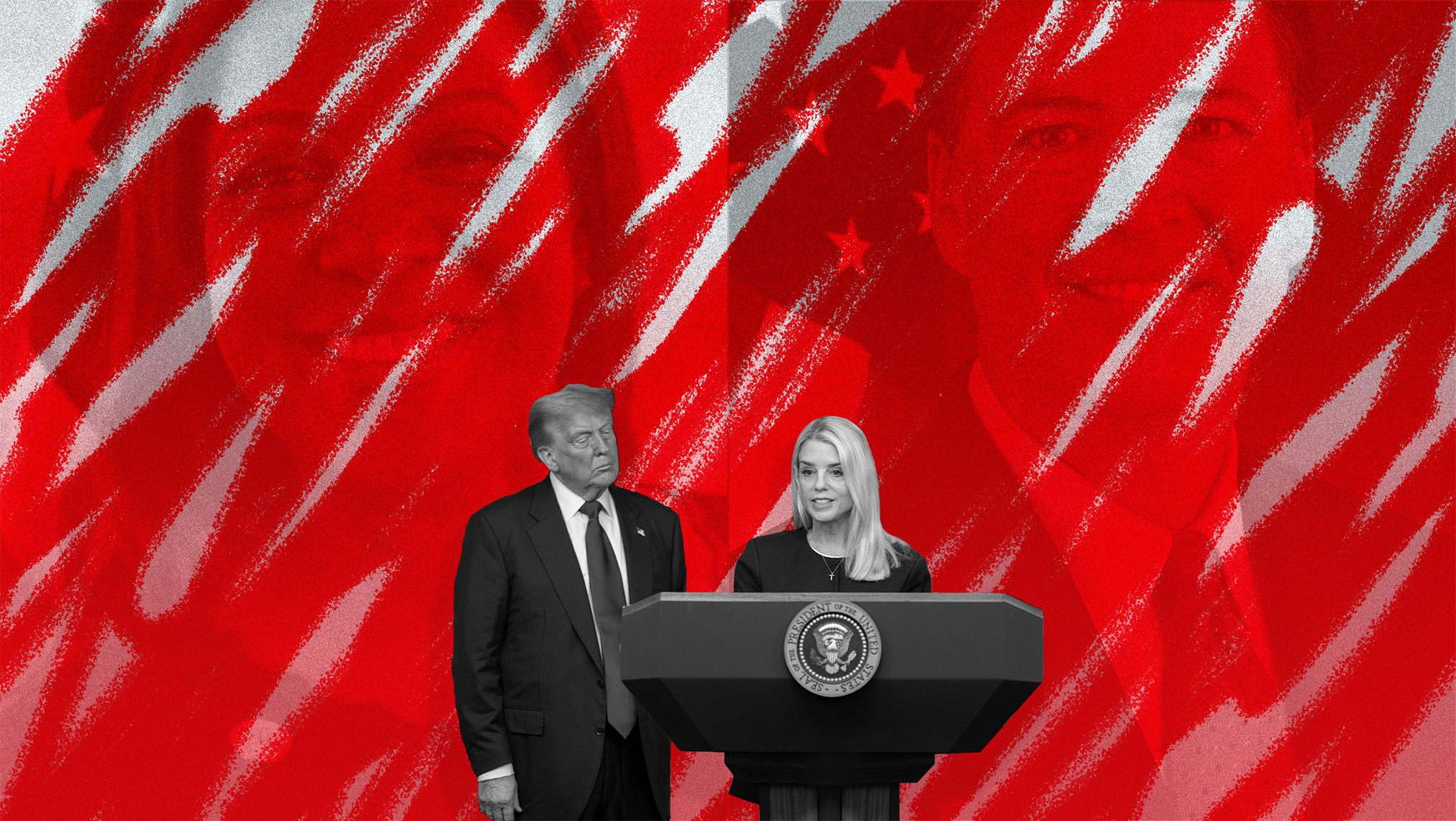
Less than a year into his second term, President Donald Trump and his appointees in the Department of Justice have already filed charges or launched investigations against a dozen of his political opponents, including New Jersey Gov. Phil Murphy (D), Senate Majority Leader Chuck Schumer (D-N.Y.), and former President Barack Obama (D).
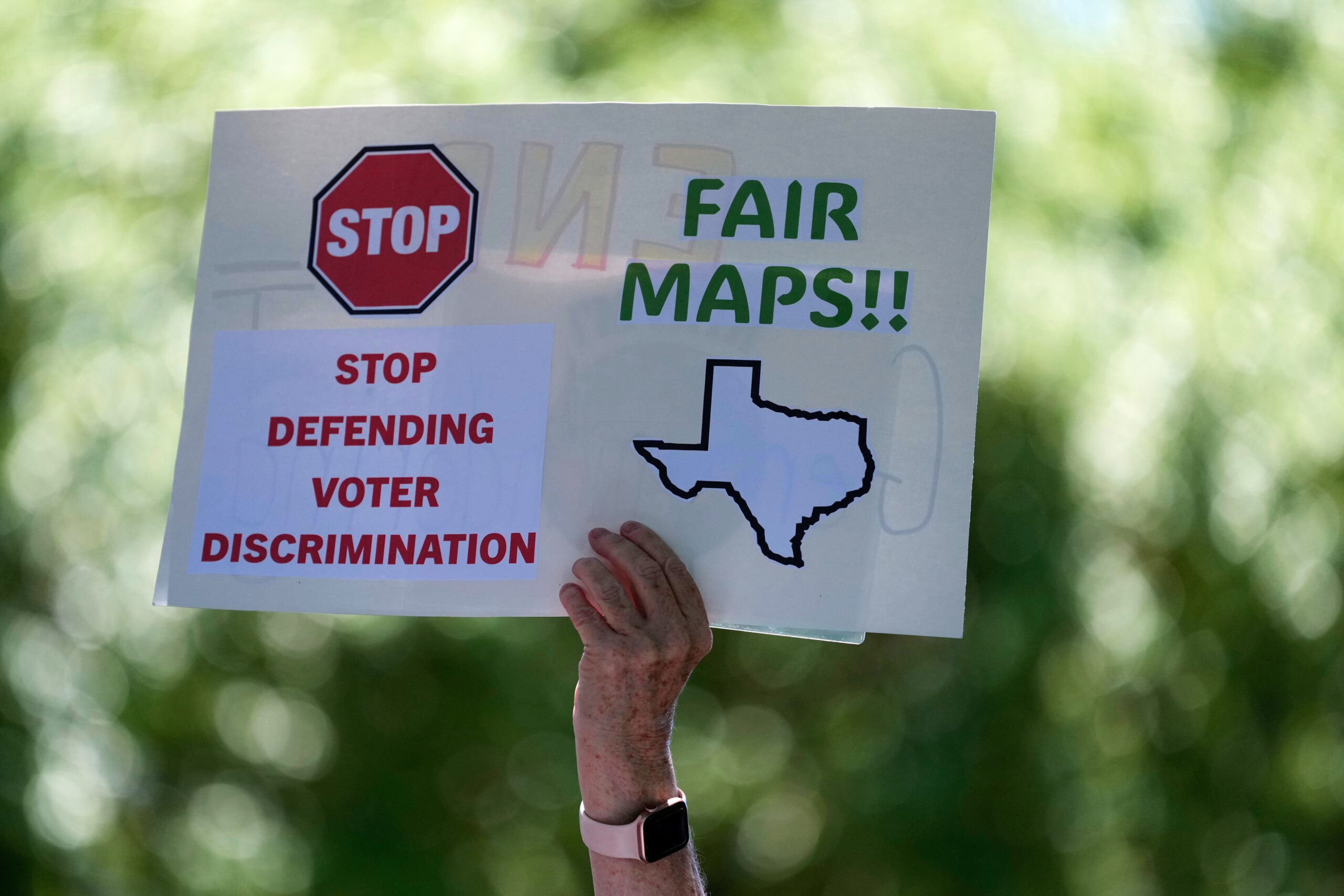
The Texas GOP’s latest gerrymander explicitly targets key districts represented by Latino-elected Democrats, underscoring a strategy to court Latino voters while cutting off their electoral power.
Voter ID laws don’t solve the problem of voter fraud — they solve the “problem” of high voter turnout.
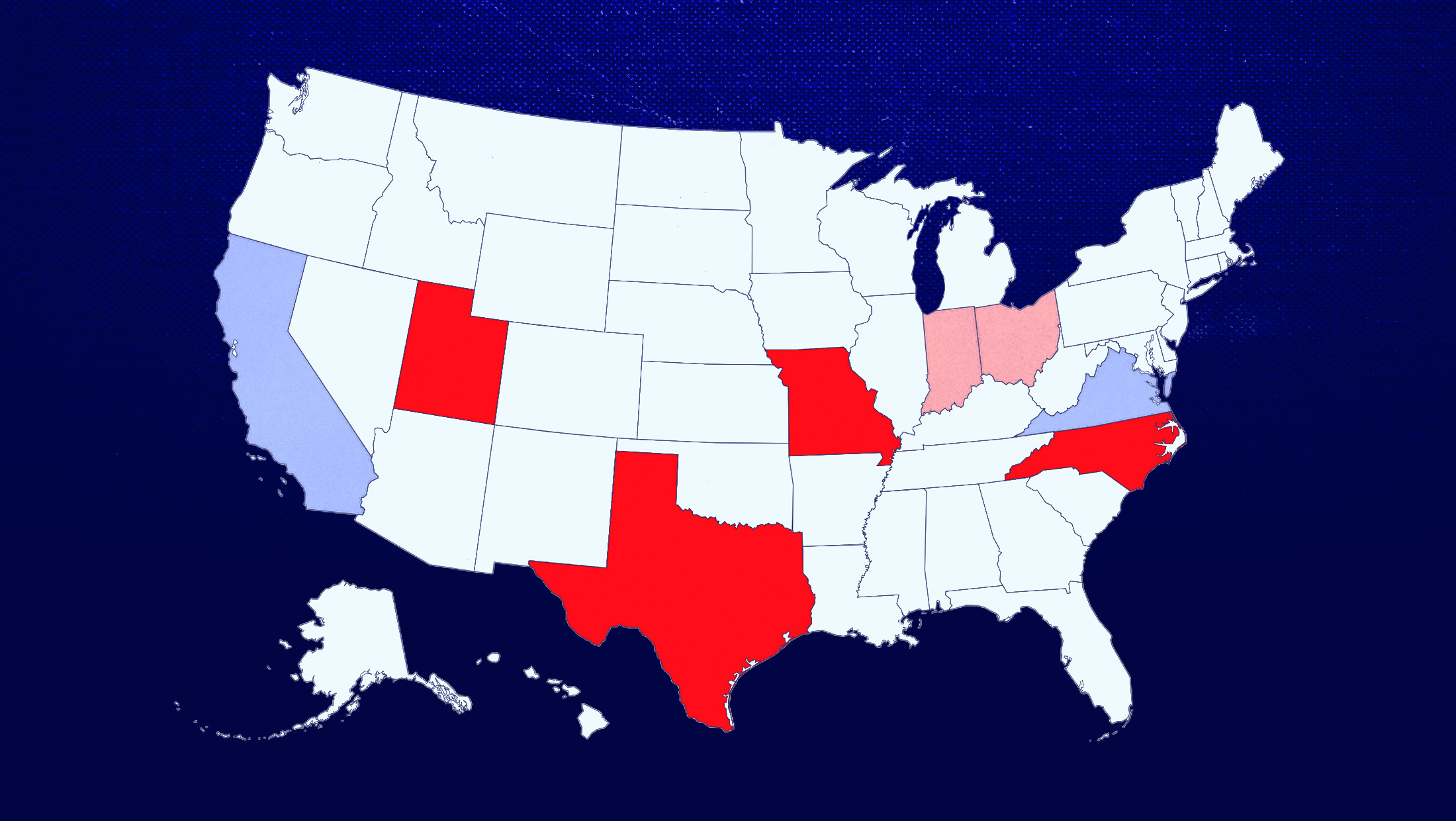
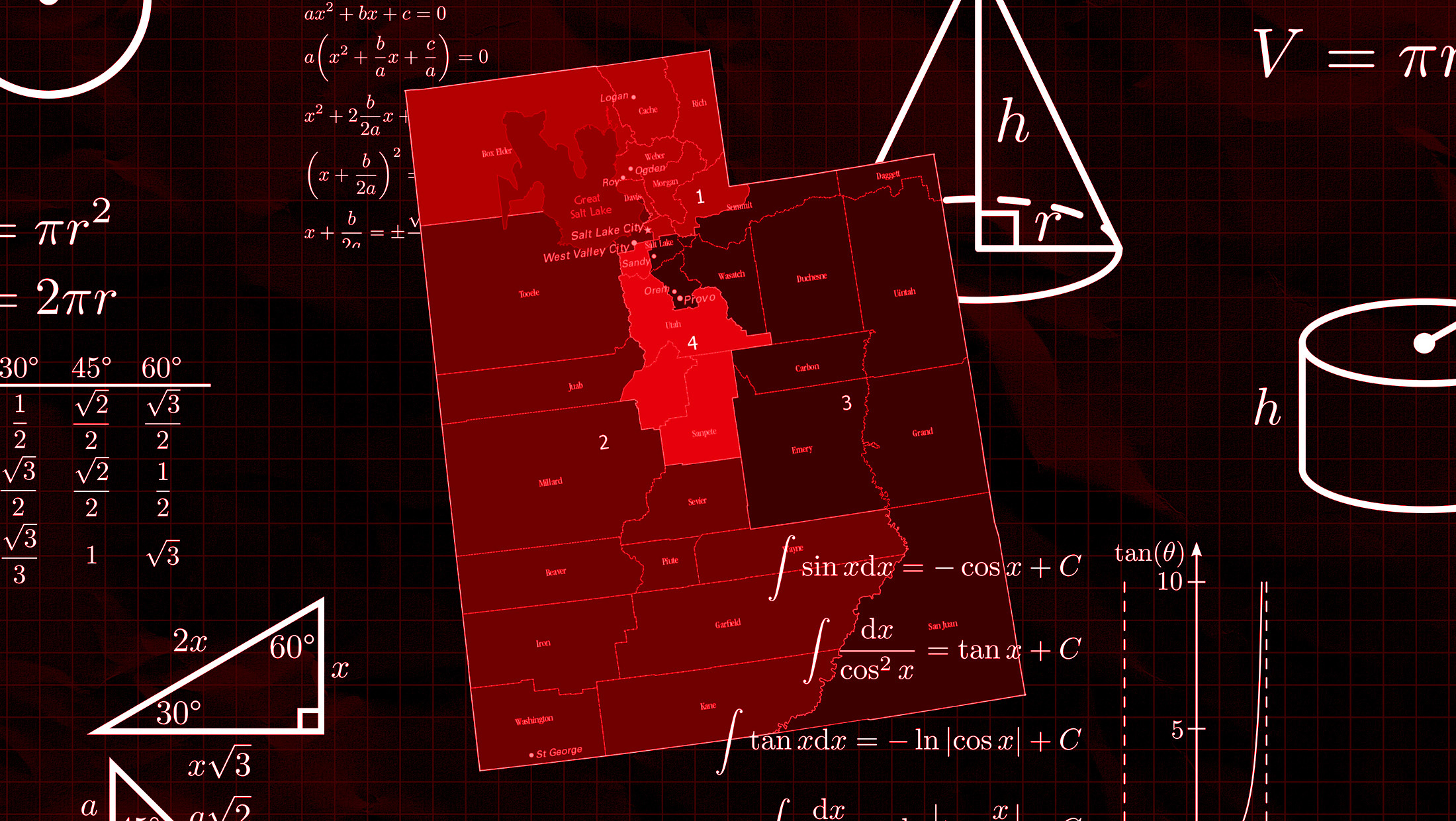
Facing increasingly dire polls, President Donald Trump recently launched a gerrymandering war in the hopes of staving off Democratic control of the U.S. House of Representatives after the 2026 midterm elections.
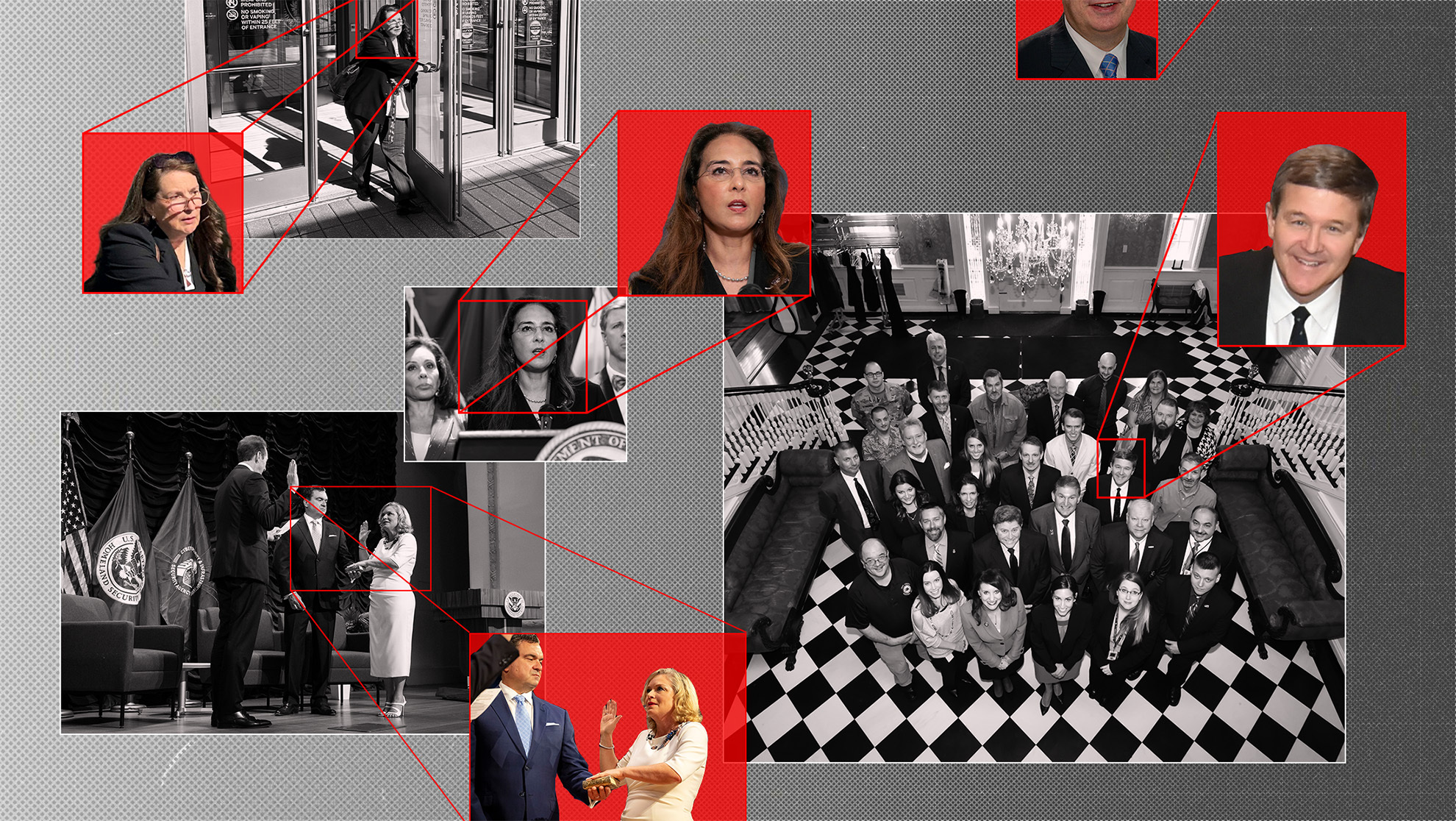
To keep loyalists at the helm of U.S. attorneys’ offices, President Trump and the Justice Department are exploiting loopholes and making extraordinary claims of presidential power that legal experts warn circumvent the appointment processes laid out by the Constitution and federal statutes.
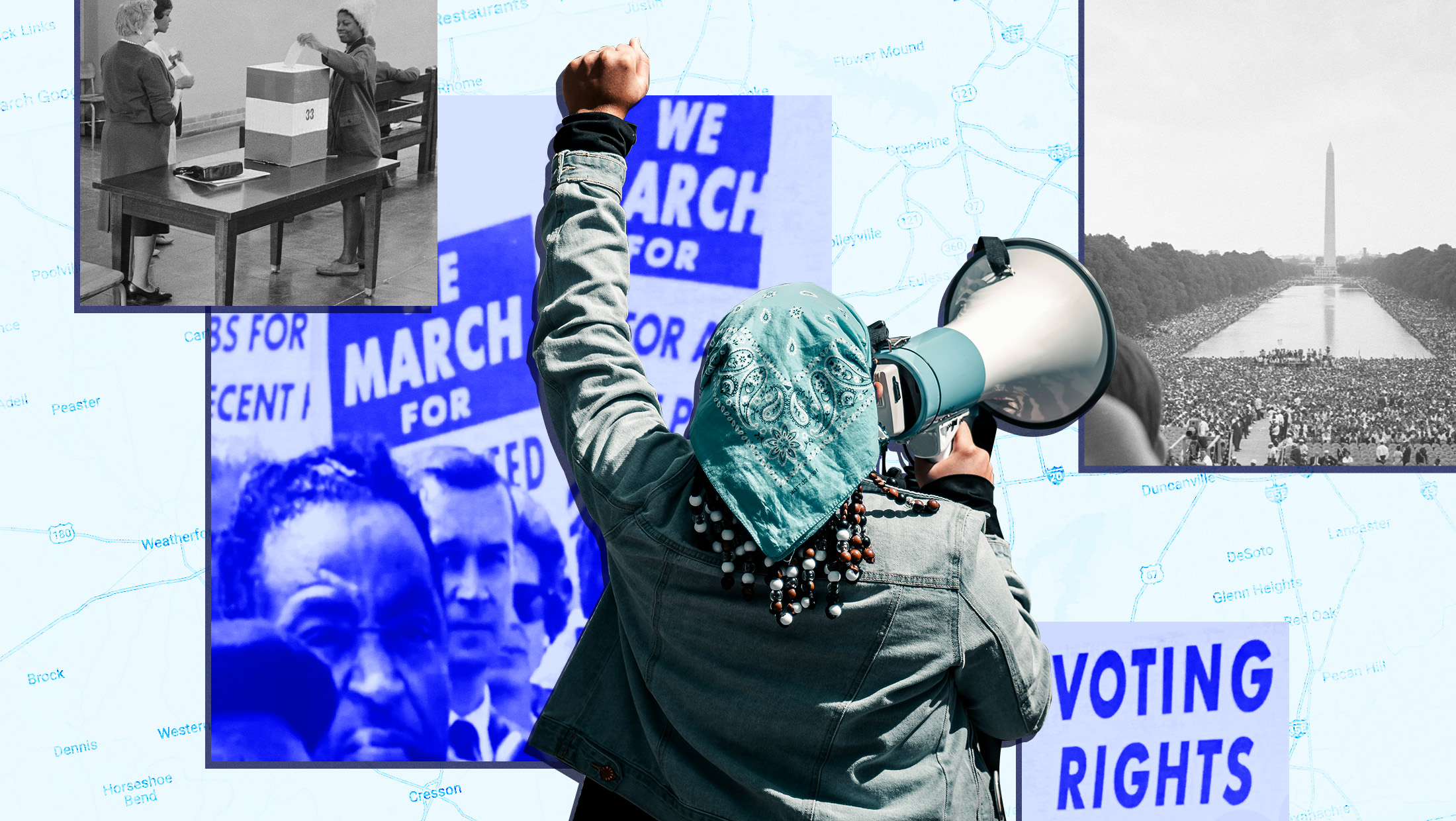
The Voting Rights Act, the watershed Civil Rights era law that has prevented attempts to dilute minority votes through racially gerrymandered electoral maps hundreds of times, turns 60 Wednesday.
The DOJ wants states private voter data, but he more concerning question for voting rights experts and state election officials: Why?