Explainer: DOJ says its election monitoring is just business as usual. Here’s why you shouldn’t believe them
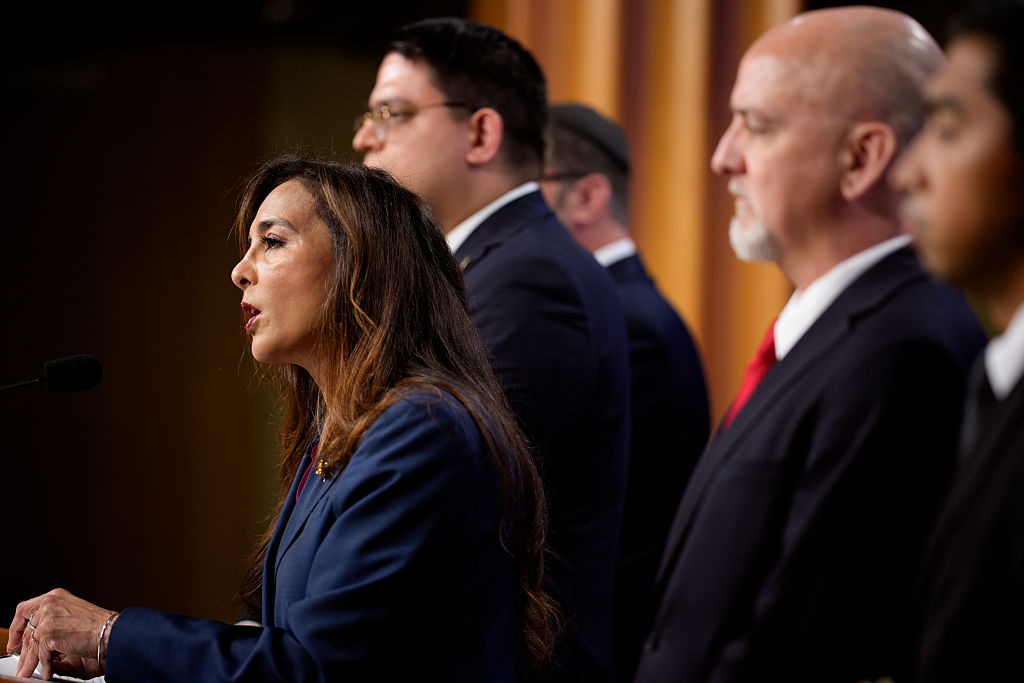
When Harmeet Dhillon, the Department of Justice (DOJ) civil rights chief, announced that her agency would be sending election monitors to 15 jurisdictions in six states during the 2026 primaries, she was quick to note that previous Democratic administrations have likewise sent monitors to observe primaries.
Recent @CivilRights primary election monitoring:
— AAGHarmeetDhillon (@AAGDhillon) July 8, 2026
Biden 2022 — 9 jurisdictions
Biden 2024 — 27 jurisdictions
Trump 2026 — 15 jurisdictions
Number of Marc Elias posts whining about @TheJusticeDept doing routine work to enforce federal law under Biden: 0 https://t.co/CcYXEa1okU
Other Republican officials have made the same point. Ohio Secretary of State Frank LaRose (R) accused those expressing concern about the monitors of pearl-clutching and “hypocrisy.”
It’s true that the DOJ’s election monitoring program has existed for decades, and administrations of both parties have deployed it.
But the Trump DOJ’s plan appears to have almost nothing in common with those efforts, which have typically been intended to protect voters, especially racial minorities, from intimidation and suppression at the polls. The new monitoring mission serves the opposite purpose: intimidating voters and creating barriers to the polls. It appears to be part of the Trump administration’s broader attempt to take control of American elections — despite the Constitution explicitly giving that power to the states.
Get updates straight to your inbox — for free
Join 350,000 readers who rely on our daily and weekly newsletters for the latest in voting, elections and democracy.
The DOJ’s monitoring program was established as a tool to enforce the Voting Rights Act’s protections against racial discrimination in voting, and monitors have visited polling sites since soon after the landmark law went into effect. Monitors aren’t law enforcement agents, and they generally have not had access to ballots or voting machines. A department notice published ahead of the 2024 election notes that the DOJ might send monitors to respond to “incidents of discrimination or interference with the right to vote.”
Dhillon’s purpose in sending monitors appears very different.
In announcing the monitoring, she spoke about protecting voting access, but added: “It’s also important to make sure that our voting is accurate so that every citizen who votes has their vote counted equally, without being canceled out by somebody who shouldn’t be voting.”
Dhillon on Wednesday told conservative commentator Glenn Beck that Michigan is receiving monitors because it has been “rife with irregularities in recent election cycles” — a reference to false claims about illegal voting that have centered on Detroit.
“If one person votes illegally and cancels out my vote, I think that’s pretty significant,” Dhillon added in a separate interview about the monitoring.
The program also appears to be an effort by the Trump DOJ to obtain information to justify conspiracy theories about election irregularities. A letter from the DOJ to inform Lansing, Michigan, that monitors would be sent there included a demand for a whole swath of data about the 2024 election.
“Please provide a copy of the voter registration list (qualified voter file) polling place officials used for the 2024 general election in the City of Lansing,” a DOJ lawyer wrote. “For this list, please indicate who generated it and whether it was used in all polling locations in the city. For the 2026 primary election, please indicate what steps will be taken to provide the voter registration list (qualified voter file) in each polling location.”
That’s a subject that the department has already been probing as it aims to find evidence of fraud and illegal voting — and it’s a radical departure from past monitoring efforts.
Then there are the places the DOJ is targeting. Five of the six states to which monitors are being sent — Arizona, Michigan, Massachusetts, Minnesota and Virginia — have Democratic governors and chief election officials. And the list of jurisdictions contains Democratic strongholds like Maricopa County, Arizona, Hennepin County, Minnesota, and Boston.
“While historically, election monitors have been an important part of protecting voters and ensuring the freedom to vote for communities whose access to the ballot box has been limited, the broader context of the Trump administration’s political agenda of election denial cannot be ignored,” said Ashiya Brown of the pro-voting group All Voting Is Local, Michigan. “This latest threat of sending election monitors to three cities with large populations of Black voters and other communities of color is just the latest attempt in a long line of desperate actions to interfere in Michigan’s elections.”