DATA: With Trump’s offensive DOJ, are pro-voting groups too busy playing defense to attack anti-voting laws?
Has checking Trump’s attacks kept democracy defenders too busy to launch legal counter offensives against voter suppression laws?
Read more to find out everything you need to know about democracy and voting rights from Democracy Docket’s desk. Use the drop-down menu to organize by topic.
Has checking Trump’s attacks kept democracy defenders too busy to launch legal counter offensives against voter suppression laws?
Democracy Docket tracked voting rights and election-related litigation leading up to the 2024 election. Despite a wave of lawsuits aimed at restricting voting access, courts consistently ruled in favor of voters. Here’s a breakdown of the most litigated election cycle in history.
Thus far in the 2023-2024 election cycle, the Republican party and its affiliates have filed, or are involved in, 72 voting rights lawsuits, according to new analysis by Democracy Docket.
A new survey reveals that despite an increasingly polarized public on key issues, a majority of Americans approve of pro-voting policies and are against most of those that restrict voting.
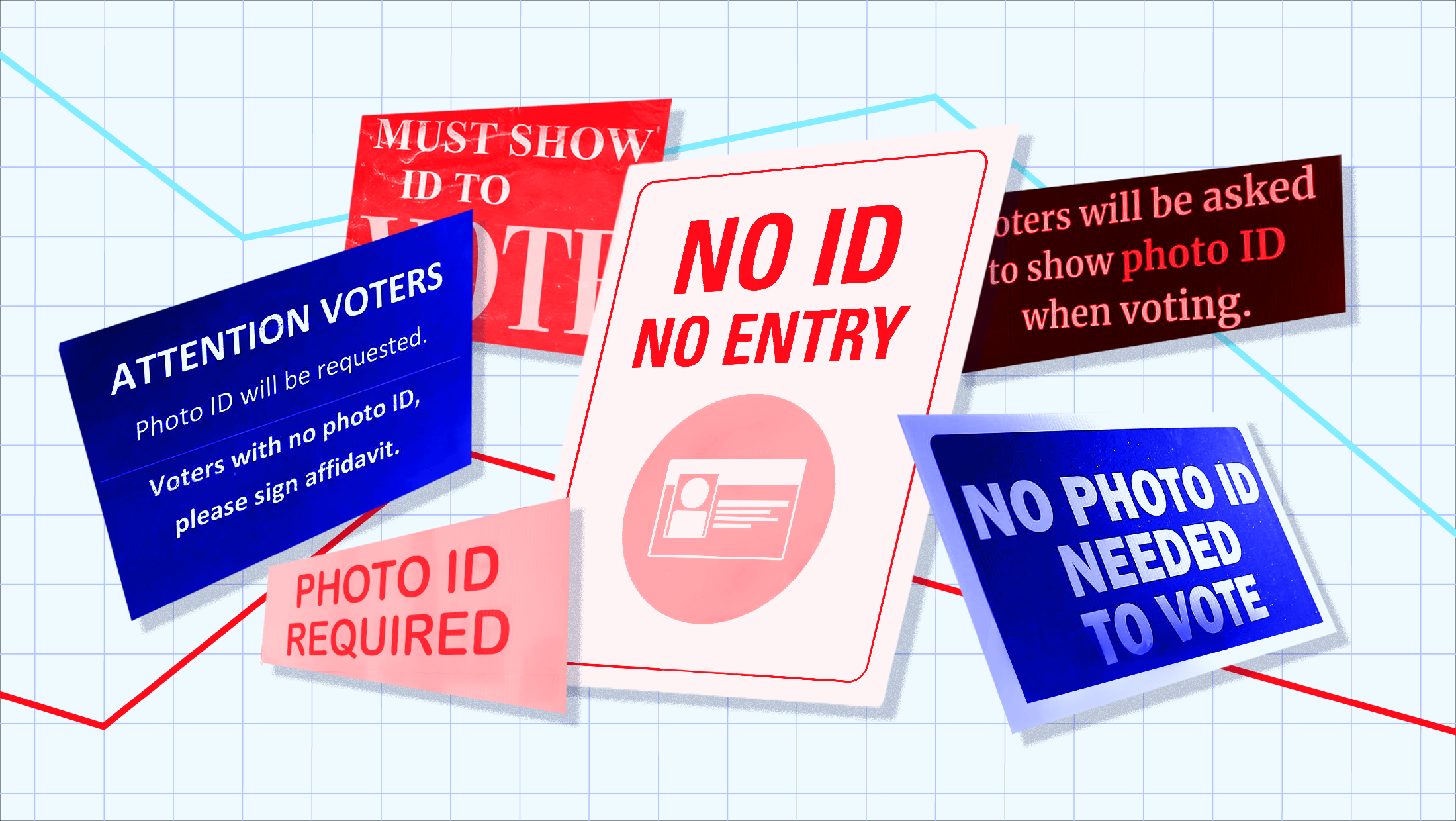
A report from last fall highlights how ID requirements, often which are unnecessary, create serious burdens in everyday life — especially for minority communities.
A recent study shows how pro-voting policies and an efficient U.S. Postal Service leads to higher turnout in U.S. elections.

A new report highlights the diversity shortcomings of state Supreme Courts nationwide.

Earlier this month, the bureau released data from the latest iteration of this survey, with information about voting during the November 2022 midterm elections.

In many states, when thwarted by the courts from enacting legislation, lawmakers are attacking the courts instead. In today’s Data Dive, we walk through a recent report that highlights the laws that would undermine the role of courts.
It’s been difficult to determine exactly who and what kind of voters would be impacted by strict voter ID laws. Two political scientists took advantage of a unique situation in Texas to answer exactly that question.
Page 1 of 4