Judge orders DOJ to identify the states it sent election demands
 Prefer us on Google
to see more of our voting rights news coverage when you search.
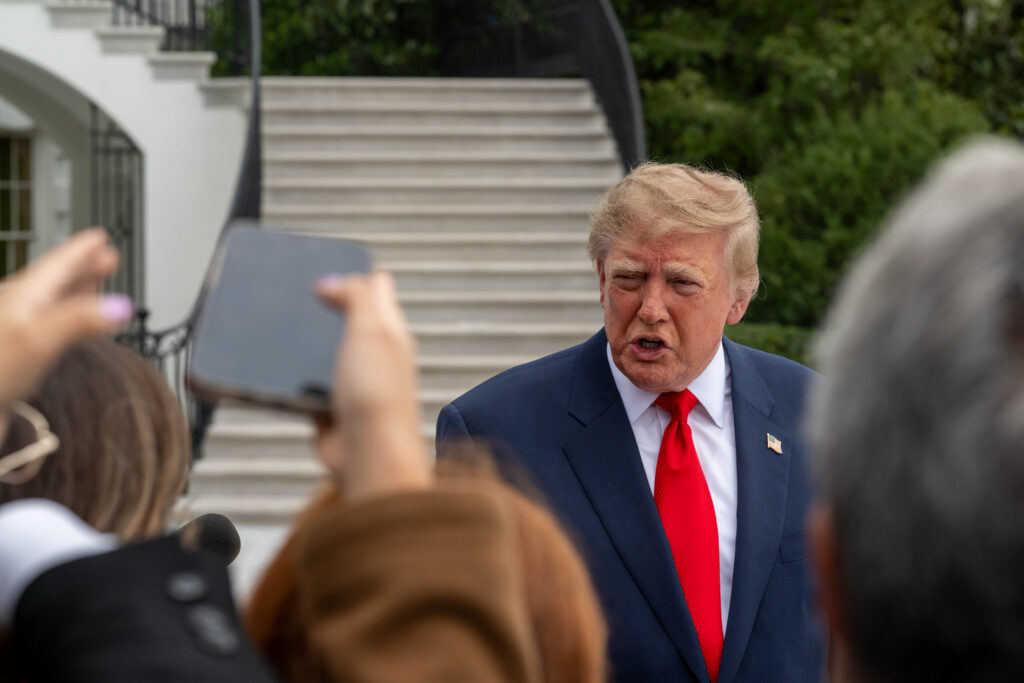
A federal judge ordered the Trump administration to identify the states it sent demands to remove specific voters, set aside ballots or refuse to issue ballots since July 1 in a hearing Thursday.
The hearing was the first in Democratic groups’ broad lawsuit* that alleges President Donald Trump violated the Voting Rights Act by pressuring states to remove voters from the rolls and threatening election officials with criminal prosecution. The judge did not reach Democrats’ request for a temporary restraining order but partially granted their request for discovery.
The judge, James E. Boasberg of the U.S. District Court for the District of Columbia, appeared skeptical of the plaintiffs’ standing to sue, saying that it may be too speculative to assume that the Trump administration will threaten more states.
“I don’t doubt for a minute that you have legitimate concerns with what you’re raising,” Boasberg said during the hearing. “My biggest concern is your standing to do so.”
Get updates straight to your inbox — for free
Join 350,000 readers who rely on our daily and weekly newsletters for the latest in voting, elections and democracy.
But Boasberg, an appointee of President Barack Obama, said Democrats can rely on any new information the federal government provides in discovery to bolster their standing claim.
“You’re going to need to give me something based on what they give you,” Boasberg said to the plaintiffs’ lawyer.
The federal government has until noon on Friday to comply with the request for information, and Democrats can file supplemental briefing regarding standing on Saturday. Boasberg said he will rule by Monday, the day before Election Day.
The plaintiffs — three national Democratic organizations, the Nevada Democratic Party, Senate Democratic leader Chuck Schumer (N.Y.), House Democratic leader Hakeem Jeffries (N.Y.) and a California voter who is a naturalized citizen — have aimed to unite various lawsuits against Trump’s election interference efforts into a single legal challenge.
The lawsuit alleges the Trump administration’s threats “intimidate and coerce election officials who aid and urge registered voters to cast ballots, as well as lawful voters — particularly naturalized citizens — who seek to exercise their most fundamental right.”
They cited Trump’s threats to “nationalize the voting” and jail California election officials as part of a “pattern of intimidation” that is “meant to frighten officials into complying with the administration’s demands to unlawfully remove voters from the rolls.”
The government argued, however, that its letters are not coercive.
“Merely sending the letters does not forecast or predict future actions by the government — perhaps to enforce them, perhaps not,” said Christian Dibblee, a U.S. Department of Justice attorney.
Dibblee said what states do after the letter is entirely up to them, and none of the letters threaten prosecution.
The plaintiffs’ argument requires a “fairly long chain of speculative possibilities that depend on action by third parties,” Dibblee said.
Uzoma Nkwonta, the plaintiffs’ lawyer, contended that the DOJ has escalated its intimidation efforts in the lead-up to Election Day and that it is possible there are other states that have received letters and quietly complied.
“There is good reason to question the veracity of defendants’ claims,” Nkwonta said.
*The Elias Law Group (ELG) represents the Democrats in this case. ELG Firm Chair Marc Elias is the founder of Democracy Docket.