Gov. Shapiro: Republicans are ‘on the side of disenfranchisement’
 Prefer us on Google
to see more of our voting rights news coverage when you search.
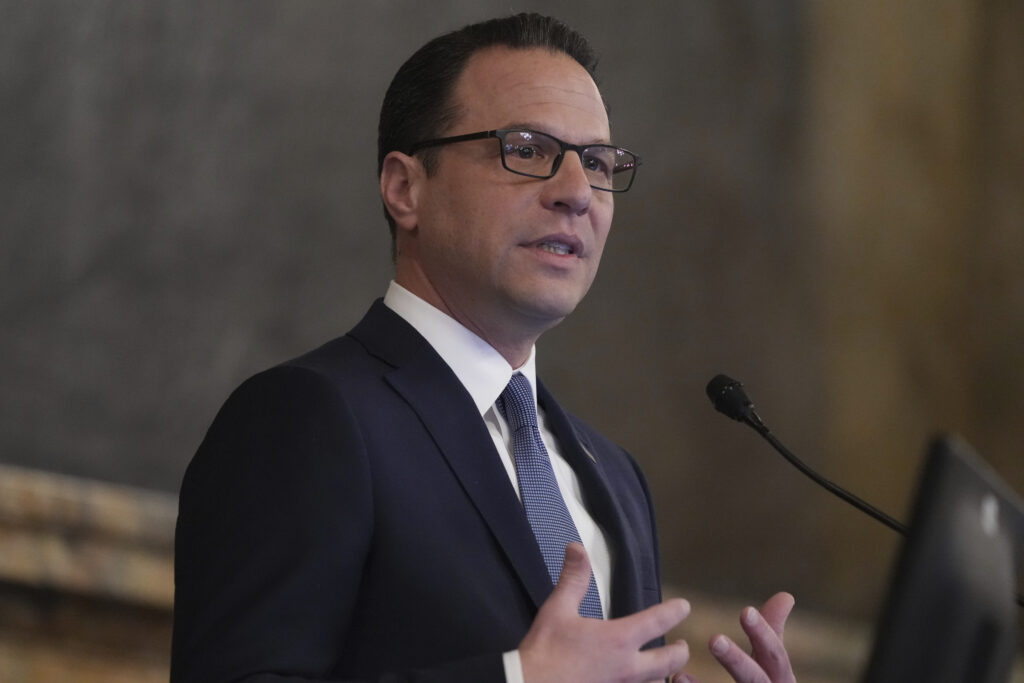
Pennsylvania Gov. Josh Shapiro (D) accused Republicans in his state of blocking widely used reforms that would allow voters to fix mistakes on their mail-in ballots and have their votes counted — a fight that has defined voting in the battleground state for years.
In an interview with Democracy Docket founder Marc Elias, Shapiro pointed to a basic procedure used in most states that allows election officials to begin processing mail ballots before Election Day and notify voters if something is wrong.
Without that process, known as pre-canvassing, ballots with small errors — like a missing or incorrect handwritten date — can be flagged or rejected, even if the voter is eligible and the ballot was submitted on time.
Shapiro said those kinds of mistakes should be easily fixable.
“If you mail your ballot back, but let’s say you make an administrative error, you forget to put a date or something like that, there exists in those states something called curing,” he said, referring to the process that allows voters to correct technical issues.
He said the goal of those policies is simple: to ensure more valid votes are counted.
“Why do we do that? Because we want to err on the side of enfranchisement,” Shapiro said.
But in Pennsylvania, he argued, Republicans have taken the opposite approach.
“Unfortunately, the Republicans in my state Senate here, lead my state Senate, they have been all focused on the side of disenfranchisement,” he said. “Canceling people’s votes out largely to curry favor with Donald Trump.”
Pennsylvania is one of the only states that does not allow officials to begin processing mail ballots before Election Day — a restriction that has long delayed vote counts and contributed to confusion around election results.
Election officials in both parties have pushed for change, but legislation to allow pre-canvassing has repeatedly stalled in the state’s GOP-controlled Senate.
The lack of early processing also limits how effectively counties can offer curing.
While some counties attempt to contact voters about errors, there is no uniform statewide system — meaning whether a voter gets a chance to fix a mistake can depend on where they live.
Those gaps have fueled years of litigation over mail-in ballots in Pennsylvania, particularly around the state’s requirement that voters handwrite a date on the outer envelope. The date does not determine whether the ballot is timely, but ballots have still been rejected over missing or incorrect dates — sometimes in numbers large enough to affect close races.
Courts have increasingly questioned those rejections, with recent rulings finding that discarding ballots over such technical errors can violate federal voting protections.
Shapiro said the state could avoid those disputes by adopting the same practices used elsewhere.
“Pre-canvas curing would offer no political party any advantage,” he said. “But what it would do is empower the voters.”
The fight in Pennsylvania reflects a broader national push by Republicans to impose greater restrictions on mail voting.
Since 2020, GOP lawmakers and allied groups have filed lawsuits and backed policies aimed at limiting which mail ballots are counted — including efforts to reject ballots arriving after Election Day and to enforce stricter technical requirements on voters.
Meanwhile, President Donald Trump has also escalated those efforts, issuing a sweeping executive order attempting to tighten federal control over elections and further restrict mail voting access, even as studies and audits have consistently found fraud to be exceedingly rare.
In Pennsylvania — where elections at all levels are often decided by narrow margins — those policy choices have taken on outsized importance. Even small numbers of rejected ballots can shape outcomes, turning administrative rules into high-stakes political fights.
For Shapiro, the issue comes down to whether the system is designed to help voters participate or to disqualify them. His proposed changes, he said, would reduce errors and ensure more eligible voters have their ballots counted — while bringing Pennsylvania in line with how most of the country already runs elections.
Republicans, he argued, have chosen a different path. One that leaves voters vulnerable to disenfranchisement over minor and otherwise inconsequential mistakes.