Judge rejects Trump administration bid to pause order blocking attack on mail voting
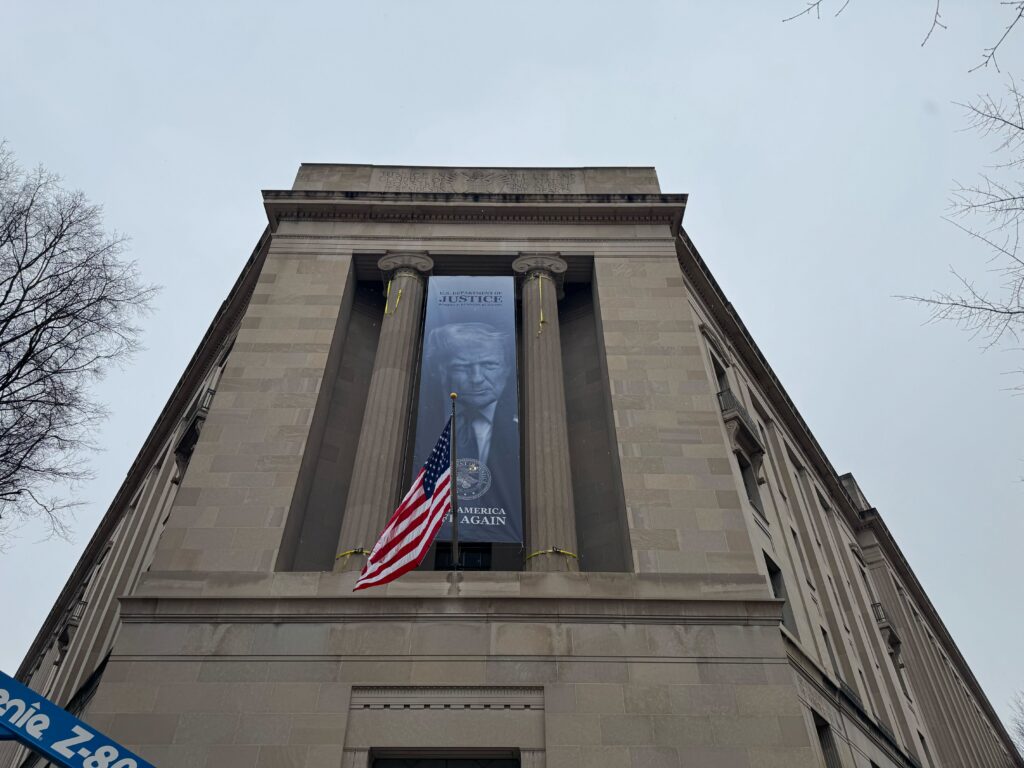
A federal judge declined to pause a ruling that blocked the U.S. Postal Service (USPS) from implementing President Donald Trump’s sweeping executive order targeting mail voting.
The decision means Trump’s dangerous attack on mail voting remains blocked in 23 states and the District of Columbia.
U.S. District Judge Indira Talwani rejected a Trump administration motion asking her to put on hold, pending an appeal, her June 25 ruling that the USPS cannot refuse to deliver mail ballots unless voter lists are handed over to the DOJ.
Get updates straight to your inbox — for free
Join 350,000 readers who rely on our daily and weekly newsletters for the latest in voting, elections and democracy.
Talwani’s opinion Tuesday described sections of the executive order as unconstitutional and outside the authority of the executive branch.
Trump’s order directs the U.S. Department of Homeland Security and the Social Security Administration to create a national voter registration database. But Talwani, an appointee of former President Barack Obama, wrote in the June 25 ruling that statewide voter registration lists already exist.
She added on Tuesday that a national list tracking citizenship runs counter to the administration’s own expressed aims.
“The EO’s directives are not aligned with its stated purpose of reducing voter fraud and enhancing election integrity,” Talwani wrote.
That’s because the state-by-state “incomplete list of confirmed citizens” would only verify citizenship, not noncitizenship.
The USPS argued it would not have enough time or resources to prepare for an outcome where only the states not covered in the lawsuit have to adhere to the executive order. Talwani used this as further reason to block the order altogether.
“Agency officials’ concern with their ability to timely implement the EO for the November 3, 2026 election does nothing more than highlight the current ripeness of the Plaintiffs’ claims,” Talwani wrote in her Tuesday opinion.
This comes one day after the USPS appealed a district court order to block the implementation of Trump’s executive order. Notably, Tuesday’s decision marks a dichotomy between the two lawsuits.
While Talwani has now twice over recognized the potential harm of the executive order, Trump-appointed D.C. District Court Judge Carl Nichols declined to block the executive order because he said no real actions have been taken to implement the order.