In a Win for Voters, Wisconsin Judge Withdraws Anti-Voting Order on Proof of Citizenship
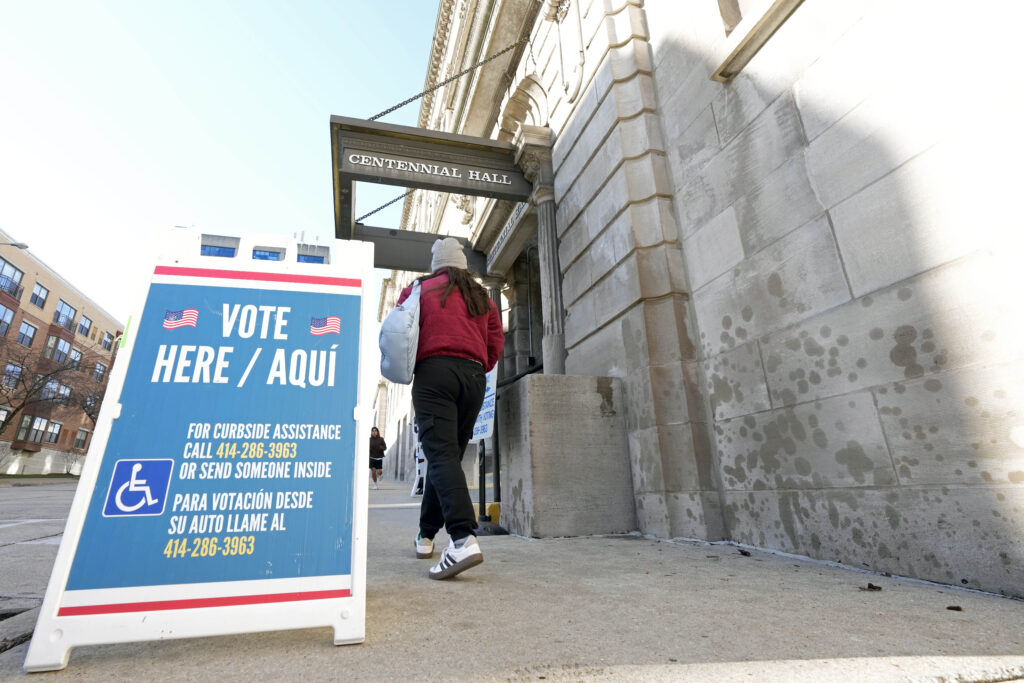
In a win for Wisconsin voters, a state judge vacated a ruling that would have forced election officials to conduct mass citizenship checks — a move voting rights advocates warned could have wrongly purged some citizens from the rolls.
The stunning reversal came from Waukesha County Circuit Judge Michael P. Maxwell, who last month ordered the Wisconsin Elections Commission (WEC) and Department of Transportation (WisDOT) to verify every voter’s citizenship using DMV records before approving new registrations.
Get updates straight to your inbox — for free
Join over 350,000 readers who rely on our daily and weekly newsletters for the latest in voting, elections and democracy.
That order echoed years of debunked right-wing claims of noncitizen voting, and threatened to make Wisconsin’s already restrictive voting system even more burdensome.
Maxwell formally erased his own directive on Nov. 5th, after a hearing where both sides agreed the prior order should be withdrawn.
“At a hearing held on October 31, 2025, the Court considered the arguments of both parties as to the pending motions and the current procedural posture of the case,” Maxwell wrote. “Neither party objected to the Court vacating its decision, but the parties were in disagreement as to what vacating the decision would mean for proceeding forward.”
With that, the sweeping mandate was lifted — at least for now. The court converted the case to proceed through limited discovery and summary-judgment briefing, meaning there will be no new citizenship verification requirement ahead of the 2026 elections.
For Wisconsin voters, the registration process will remain the same. Eligible citizens can still sign up to vote by affirming their citizenship under penalty of perjury, as it has worked for decades.
The earlier order could have upended that process, introducing an untested database check that experts say could have flagged thousands of lawful voters — particularly naturalized citizens whose records often lag behind their updated status.
While the case will continue, the decision halts, at least temporarily, one of the most aggressive attempts yet to impose proof of citizenship requirements in a key battleground state.