In Virginia redistricting referendum, supporters say they’re voting ‘for democracy’
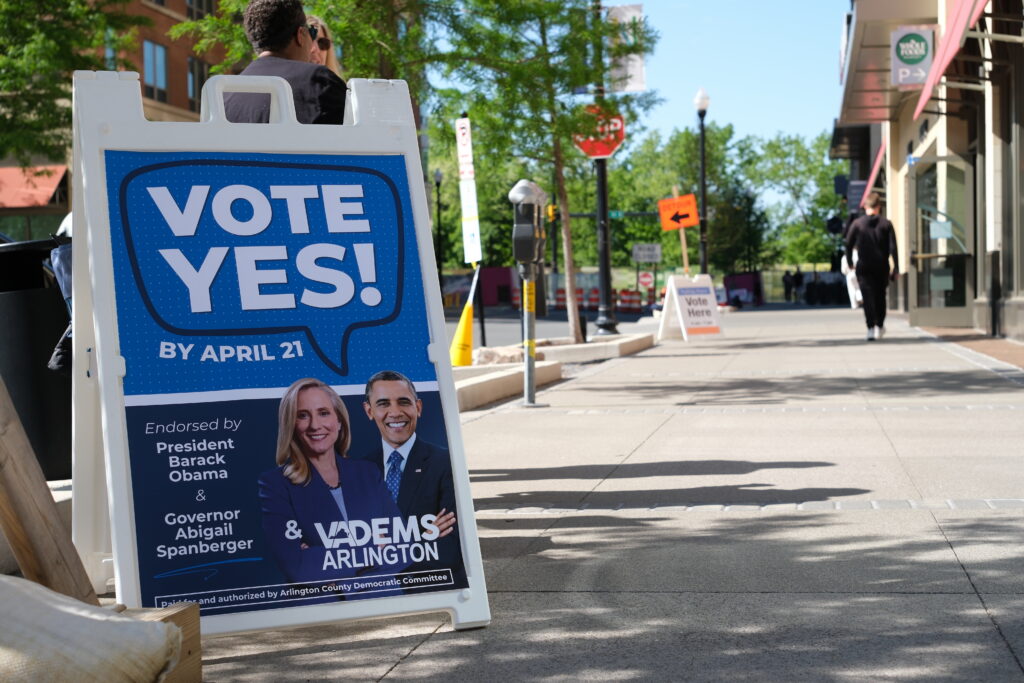
Virginia voters hit the polls Tuesday to cast their ballots in a referendum on Democratic leaders’ plan to redraw the state’s congressional map.
The proposal aims to counteract President Donald Trump’s effort to rig the 2026 midterm elections by inducing Republican-controlled states to redraw their maps to favor the GOP.
The polls closed at 7 p.m. ET. It’s expected to be a close vote, with pollsters earlier this month predicting a slight advantage for the “yes” camp.
As Virginians voted, Democracy Docket was on the scene in Arlington to find out what was driving their decision to support or oppose redistricting.
Some said they were backing the measure because they were alarmed by the number of seats in Congress that the GOP stood to gain through gerrymandering. Others said they were voting no to support Trump’s agenda.
But a repeated theme among the “yes” voters was a desire to protect American democracy and elections.
Get updates straight to your inbox — for free
Join 350,000 readers who rely on our daily and weekly newsletters for the latest in voting, elections and democracy.
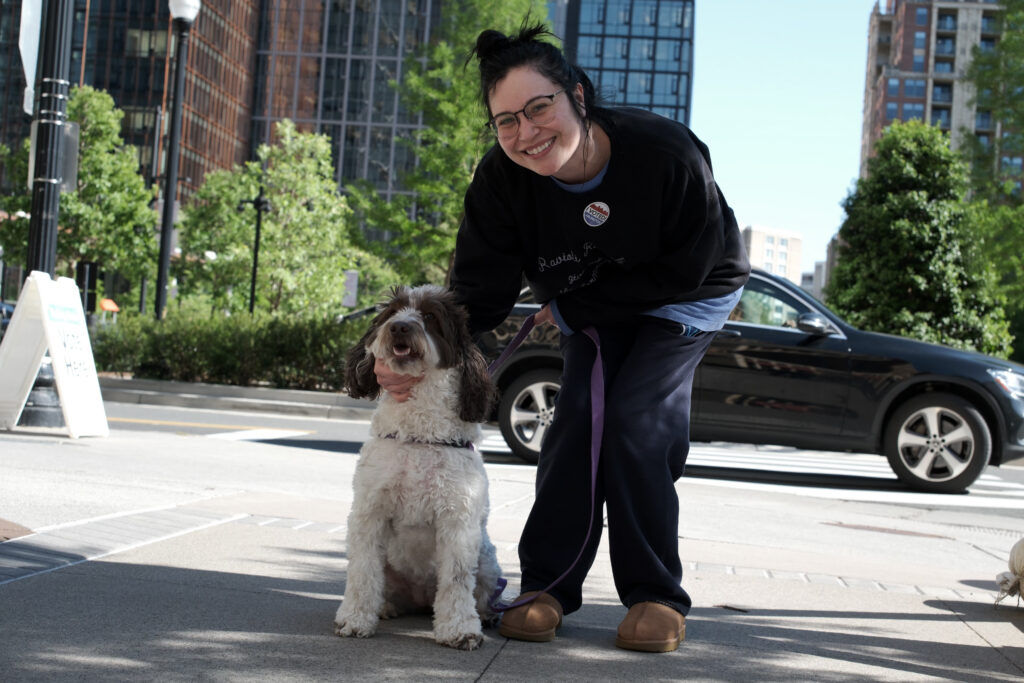
Allie Hastings cast her ballot Tuesday in Pentagon City after receiving mailers from both sides of the election and doing her own research. Ultimately, she voted for the redistricting plan, saying she wanted to protect democracy and ensure Virginians’ voices were heard in Congress.
“I want to make sure that we have free and fair elections coming up in our next one,” Hastings said, and that “we’re doing our best to combat all of the unfair redistricting that’s happening in other states.”
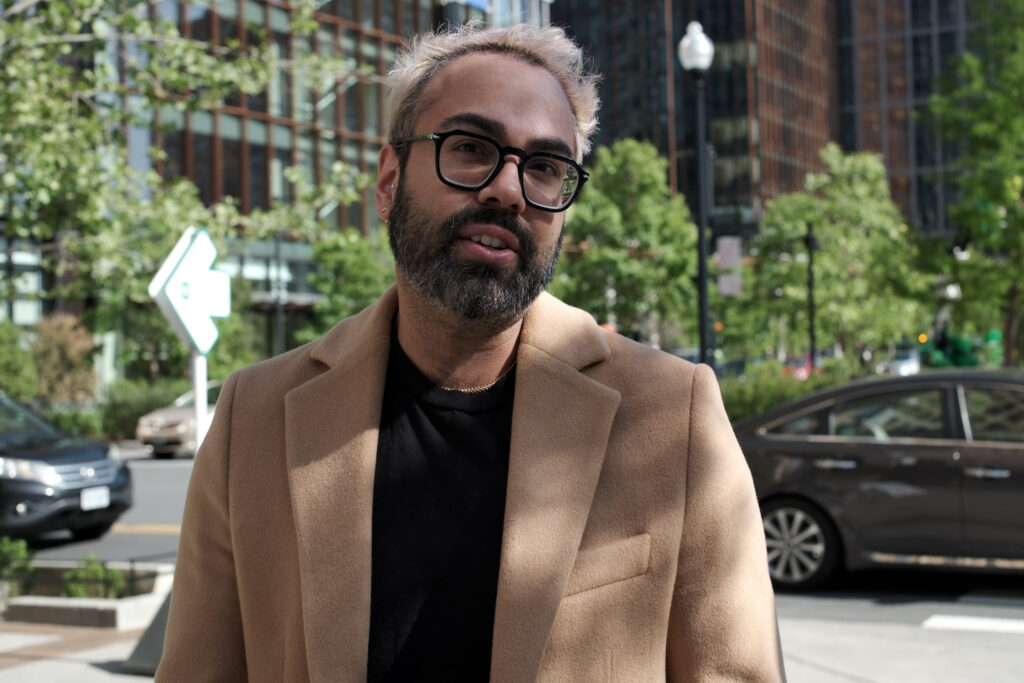
Ryan Hayden, an immigrant from Trinidad and Tobago, said he wasn’t overly political and hadn’t “voted a whole lot,” but that the things happening under Trump motivated him to cast his ballot in favor of redistricting.
“We’ve seen the ads on TV and I read what they’re trying to do and I’m like: Okay, no, I have to say something,” Hayden told Democracy Docket.
“I came here at a very early age and I came for a better life,” he added. “And the way that these political parties are operating, it’s almost like I was better off staying in a third world country.”
Hayden moved to Virginia from Washington, D.C. around the time of Trump’s first election in 2016.
“The second time, it was like: Here we go again,” he said. “And this time it just seems things are so much worse.”
He wasn’t the only one motivated to vote in hopes of stemming the chaos of the second Trump administration.
Andrea Vargas said that she was motivated to cast her “yes” vote “for democracy.”
“It’s for the good of the country and for the future generations,” she said.
Anna Costanzo framed her vote as a strategic move to oppose Trump’s power grab. She said she supported the plan because it’s a “temporary measure” to correct “an imbalance across our country.”
Like many Virginians, she received mailers from both sides of the issue — and it made her even more supportive of the referendum.
“I think when I saw that there was a lot of misinformation from the ‘no’ side of the campaign, it motivated me to want to do even more to educate my friends and community members about what the ‘yes’ measure was actually voting for,” Costanzo said.
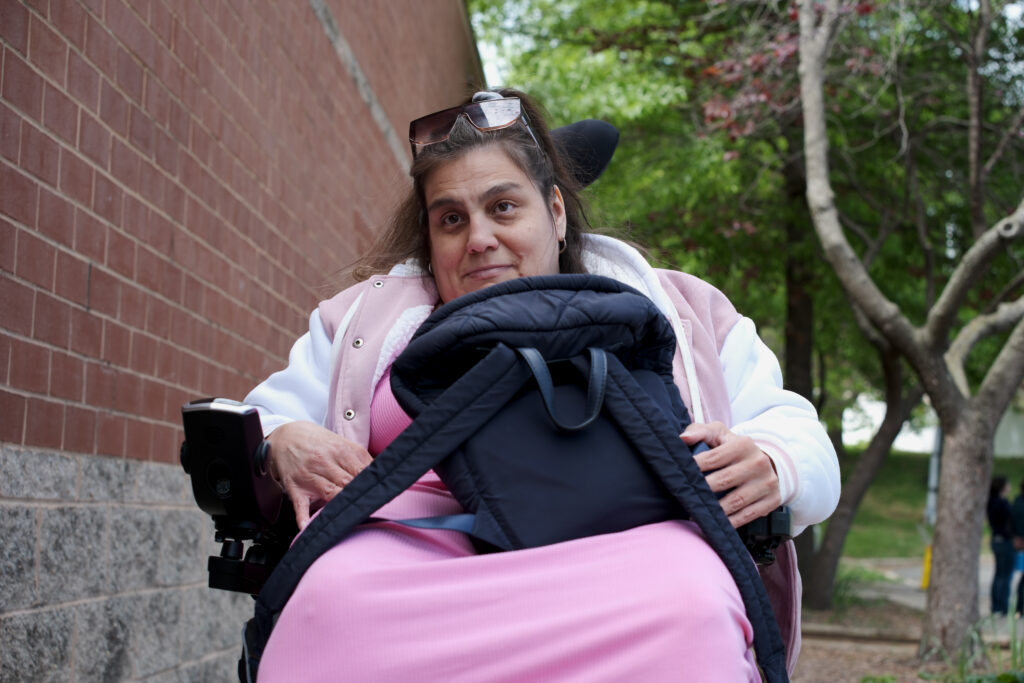
It wasn’t all yes votes. Theresa Dominguez, a voter at Charles Drew Community Center in Arlington, said she opposed the measure.
“I’m a conservative,” Dominguez said. “I agree with what President Trump is doing, and I want to make sure that things are legit, things are run correctly.”
Nearly one year after Trump kicked off an unprecedented, mid-decade redistricting arms race across the country, Virginia could be the second Democratic-controlled state to redraw its congressional map in response to the GOP’s gerrymander gains in Texas, Missouri and North Carolina. Florida is expected to take up redistricting next week.
Even if voters approve the redistricting measure, the plan faces pending legal challenges from Republicans and will need to survive a court battle.