‘Likely’ noncitizens? ‘Confirmed’? ‘Suspected’? ‘Verified’? DOJ keeps changing how it describes California list
 Prefer us on Google
to see more of our voting rights news coverage when you search.
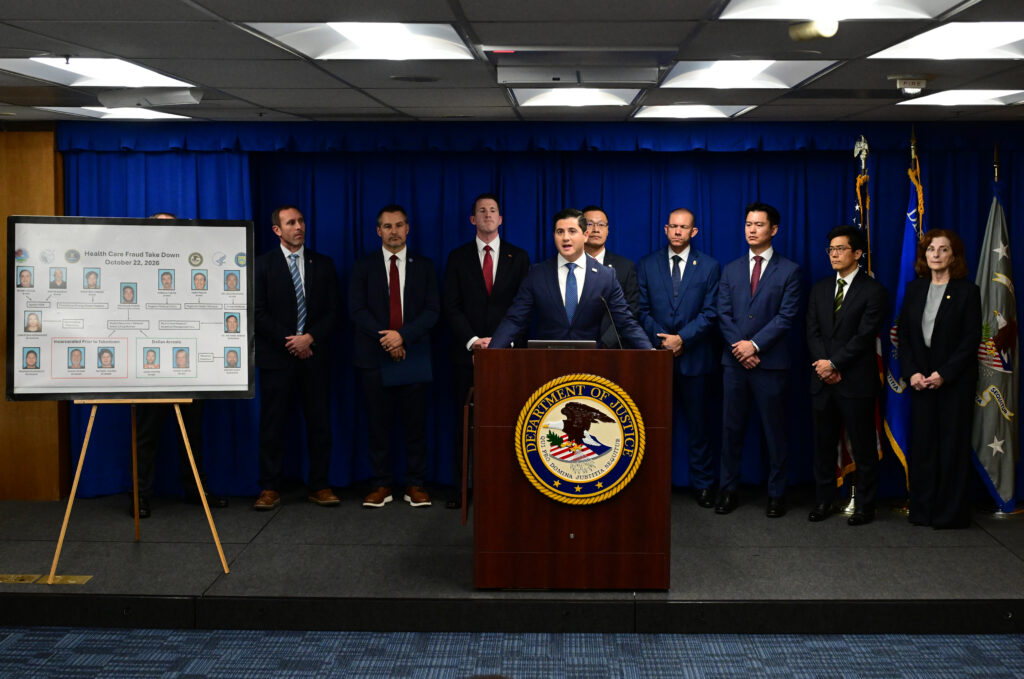
Since filing its lawsuit against California last week, the Trump administration has frequently shifted the language it has used to describe the more than 20,000 people it wants the state to block from voting.
At times, it has called them ”verified” noncitizens, and at other times, “confirmed.” But at still other times, it has said only that they’re “likely” or “highly likely” noncitizens. And it even has called them “suspected” noncitizens.
At one press conference, a Trump administration official added to the confusion, acknowledging “we’re not perfect,” and saying that the names on the list contains are the ones where “we’re kind of the most confident that they are noncitizens.”
Get updates straight to your inbox — for free
Join 350,000 readers who rely on our daily and weekly newsletters for the latest in voting, elections and democracy.
The changing language — which has come in legal briefs, social media posts, and other public statements — matters. The administration is seeking extraordinary election-related relief — as well as warning California election officials that they could face criminal consequences for failing to comply — based on a list whose level of certainty it has described in markedly different ways.
By and large, the department’s legal filings have been more cautious than some of its officials’ public statements, relying on terms such as “likely,” “highly likely,” “reasonably believes” and “suspected.”
Public statements by prosecutors, by contrast, have repeatedly dropped those qualifications altogether.
Asked to explain the administration’s shifting descriptions and which description accurately reflects the department’s current position, DOJ provided a statement that did not address the discrepancies.
Here is how the administration has described the same group of voters:
- Tuesday, Oct. 13 — “Likely noncitizens”: In a letter to California officials, Acting Deputy Attorney General Trent McCotter wrote that the federal government had provided a list of more than 20,000 people it “believes are likely noncitizens.” DOJ simultaneously asked California to review the list “to determine whether any citizens are listed,” explicitly acknowledging that citizens could be included.
- Thursday, Oct. 15 — “Likely noncitizens”: DOJ’s lawsuit said USCIS had identified more than 20,000 registered voters it believed were “likely noncitizens.”
- Thursday, Oct. 15 — “Noncitizens”: In the same complaint, DOJ said that “nearly 20,000 noncitizens” had been sent mail ballots.
- Thursday, Oct. 15 — “Likely” noncitizens: Just paragraphs later, the complaint again referred to people “identified by the Federal Government as likely to be noncitizens.”
- Thursday, Oct. 15 — “Highly likely”: Elsewhere in the lawsuit, DOJ described the people whose ballots it wanted segregated as “highly likely to be noncitizen aliens.”
- Thursday, Oct. 15 — “20,000 noncitizens”: First Assistant U.S. Attorney Bill Essayli, the top federal prosecutor for Los Angeles, went further in public, writing to California on social media: “We produced a list of 20,000 noncitizens on your voter rolls.”
- Thursday, Oct. 15 — “Suspected noncitizens”: Essayli also referred, in a separate post that day, to ballots belonging to “suspected noncitizens.”
- Friday, Oct. 16 — “Confirmed” noncitizens: Responding to criticism that DOJ had only alleged the voters were likely noncitizens, Essayli rejected that characterization. “The 20k represents the number of noncitizens confirmed by a review of federal databases,” he wrote, adding that USCIS and HSI had confirmed the finding.
- Friday, Oct. 16 — Back to “suspected”: Later that same day, Essayli described the group as more than 20,000 “suspected noncitizens.”
- Friday, Oct. 16 — “Reasonably believe” and “Actual notice of noncitizen voting”: McCotter’s threatening letter to Los Angeles County officials initially used qualified language, saying federal agencies “reasonably believe” the more than 20,000 people are “likely noncitizens.” Yet the same letter warned officials about possible criminal liability and said they had been put on “actual notice of noncitizen voting.”
- Monday, Oct. 19 — “Likely noncitizen registrants”: When DOJ announced criminal charges against 28 lawful permanent residents, the department said each appeared on the list of more than 20,000 “likely noncitizen registrants.” The DOJ said the 28 cases established that some people on the list were noncitizens, but not that all 20,000-plus were.
- Monday, Oct. 19 — “Highly likely” noncitizens In its emergency motion asking a judge to stop California from counting ballots associated with the list, DOJ again described the individuals as “highly likely to be noncitizen aliens” and said federal agencies “reasonably believe” they are noncitizens.
- Monday, Oct. 19 — “We’re not perfect”: At a press conference, McCotter acknowledged the list could contain citizens. “We’re not perfect and that’s why we’ve asked California to cooperate with us,” he said, describing the people as the ones DOJ is “kind of the most confident that they are noncitizens.”
- Tuesday, Oct. 20 — “Verified” noncitizens: In another social media post, Essayli continued using stronger language, saying federal authorities had “verified” that at least 20,000 noncitizens were receiving ballots, without any cooperation from California officials.
- Wednesday, Oct. 21 — “At least 20,000 noncitizens”: Essayli separately asserted: “At least 20,000 noncitizens are registered to vote in California, not 28,” and said the 28 arrests proved the larger list was accurate.
- Wednesday, Oct. 21 — “Suspected non-eligible voters”: DOJ’s latest emergency filing again hedged, asking the court to require segregation of ballots belonging to “suspected non-eligible voters.”