California court shuts down GOP bid to sanitize anti-voting measure
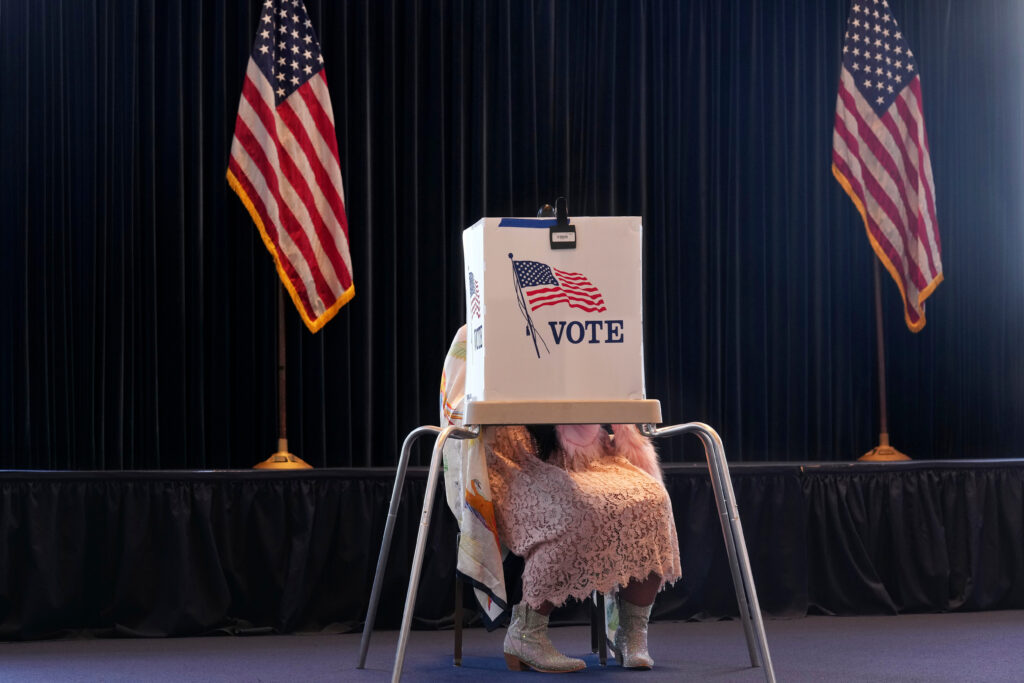
A California court dealt Republicans a major defeat Thursday, rejecting their bid to soften the official description of an anti-voting measure and preserving ballot language warning that it would bar citizens from voting unless they present government-issued identification.
The decision is a significant win for California voters seeking clear information about how the measure could prevent eligible ballots from being counted.
Get updates straight to your inbox — for free
Join 350,000 readers who rely on our daily and weekly newsletters for the latest in voting, elections and democracy.
Sacramento County Superior Court Judge Jennifer K. Rockwell denied the GOP-backed petition Thursday, ruling that Attorney General Rob Bonta’s title, summary and label accurately describe Proposition 39 and fall within his legal authority to prepare ballot materials.
The GOP-led campaign had objected to the official statement that Proposition 39 “PROHIBITS CITIZENS FROM VOTING UNLESS THEY PRESENT GOVERNMENT-ISSUED IDENTIFICATION.”
Its lawyers claimed that language was false because the measure would not necessarily prevent a person from submitting a ballot — it would prevent election officials from counting that ballot unless the voter satisfied the new identification requirements.
Rockwell flatly rejected that distinction.
“Petitioners’ contention that Proposition 39 would not prohibit “voting” because it may allow the submission of ballots that will not be counted is inconsistent with the settled understanding of what it means to ‘vote,’” Rockwell wrote. “Because Proposition 39 would prohibit the counting of ballots not submitted in compliance with the identification requirements, there is nothing misleading or inaccurate about the statement that the measure ‘prohibits citizens from voting unless they present government-issued identification.’”
The court explained that voting means more than placing a piece of paper in a ballot box. It also includes the right to have that ballot counted.
Under Proposition 39, in-person voters would be required to present government-issued identification, while mail-in voters would have to provide digits from an identification number matching their registration record. Election officials could count a ballot only after verifying the voter met those requirements.
The ruling leaves intact the state’s direct description of the consequences of the proposed constitutional amendment. It also prevents the campaign from replacing that language with its preferred framing that Proposition 39 merely “establishes additional voter identification and citizenship verification requirements.”
And it comes as California voters are already seeing large numbers of mail-in ballots rejected under existing rules.
County election officials rejected nearly 150,000 mail-in ballots in the June primary, including nearly 44,000 because a voter’s signature did not match the signature on file and more than 8,000 because the envelope lacked a signature. Proposition 39 would add another identification requirement that could prevent otherwise eligible ballots from being counted.
In a separate case Thursday, another Sacramento County judge tentatively granted a petition brought by Assembly Speaker Robert Rivas (D) and Senate President pro Tem Monique Limón (D) challenging claims made by Proposition 39 supporters in the voter guide.
That court found that statements claiming Proposition 39 would make voting easier, provide additional privacy protections and save millions of dollars were false or misleading. The ruling noted that the measure would impose new steps on voters and that the Legislative Analyst’s Office projected annual public costs ranging from tens of millions to the low hundreds of millions of dollars.
Together, the decisions protect voters from a misleadingly sanitized presentation of a measure that could cause eligible voters to have their ballots thrown out.