North Carolina admits noncitizens on its rolls aren’t a widespread problem — as it gives voter data to DHS
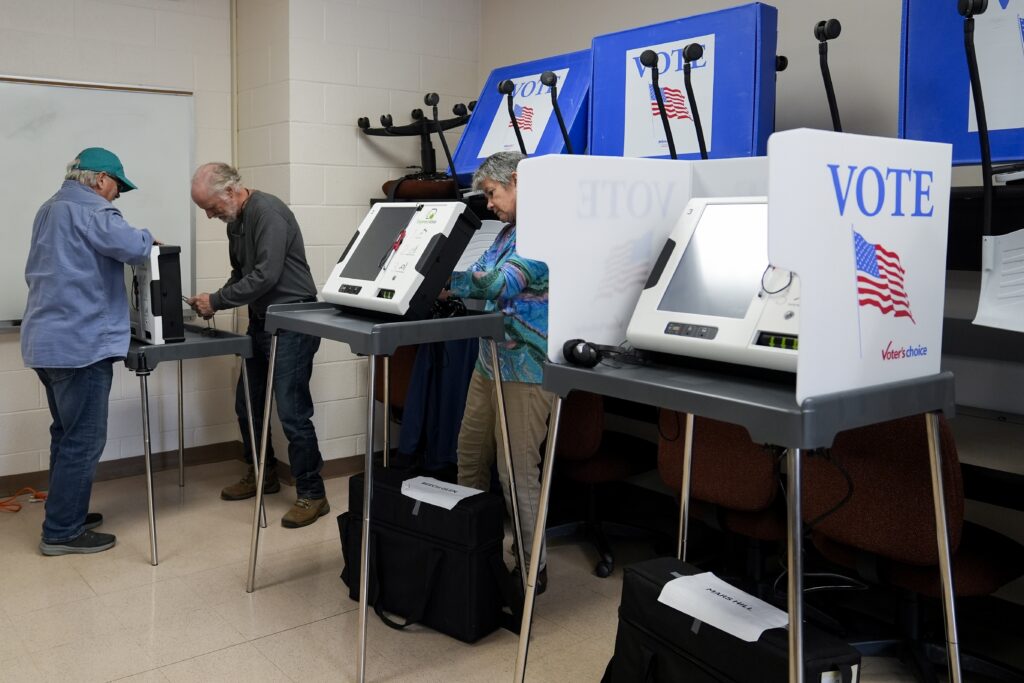
North Carolina election officials admitted Friday they have no evidence that noncitizens on the voter rolls are a widespread problem — even as they move forward with plans to share voter data with the Department of Homeland Security (DHS).
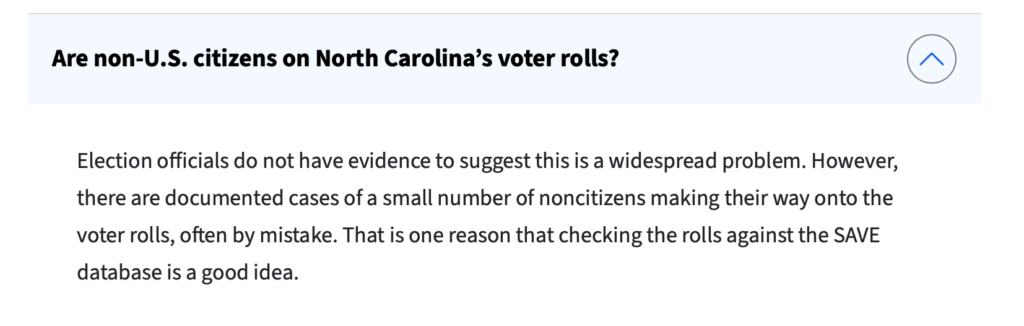
“Election officials do not have evidence to suggest this is a widespread problem,” the state’s GOP-majority election board wrote in a newly updated FAQ page on its website. “There are documented cases of a small number of noncitizens making their way onto the voter rolls, often by mistake.”
Get updates straight to your inbox — for free
Join 350,000 readers who rely on our daily and weekly newsletters for the latest in voting, elections and democracy.
The admission comes just one day after the board’s GOP majority voted 3–2 to adopt rules allowing election officials to use a federal immigration database run by DHS to check North Carolina’s voter rolls for potential noncitizens.
Under the plan, the state will compare voter registration records against the federal SAVE system — a database that relies on past immigration records — and flag voters whose citizenship cannot be confirmed. Those voters could then “be notified and given the opportunity to correct or update their citizenship information before being removed”
Beginning this year, the board says it will run the entire statewide voter file through the federal system “at least once a year moving forward,” sending identifying information including voters’ names, birthdates and the last four digits of their Social Security numbers.
The board further acknowledged that many cases involving noncitizens ending up on voter rolls stem from confusion or misunderstanding, not intentional wrongdoing.
“According to [an] audit report, interviews and evidence showed that some noncitizens were misinformed about the law by individuals conducting voter registration drives or, in at least one documented case, by a local precinct official,” the board explained.
Despite acknowledging the extreme rarity of noncitizen voting, the board defended the move to share data with DHS.
“That is one reason that checking the rolls against the SAVE database is a good idea,” the agency said.
Voting rights advocates have long warned that the SAVE system was not designed for voter roll maintenance and can produce false matches, particularly for naturalized citizens whose records may not be fully updated across federal databases.